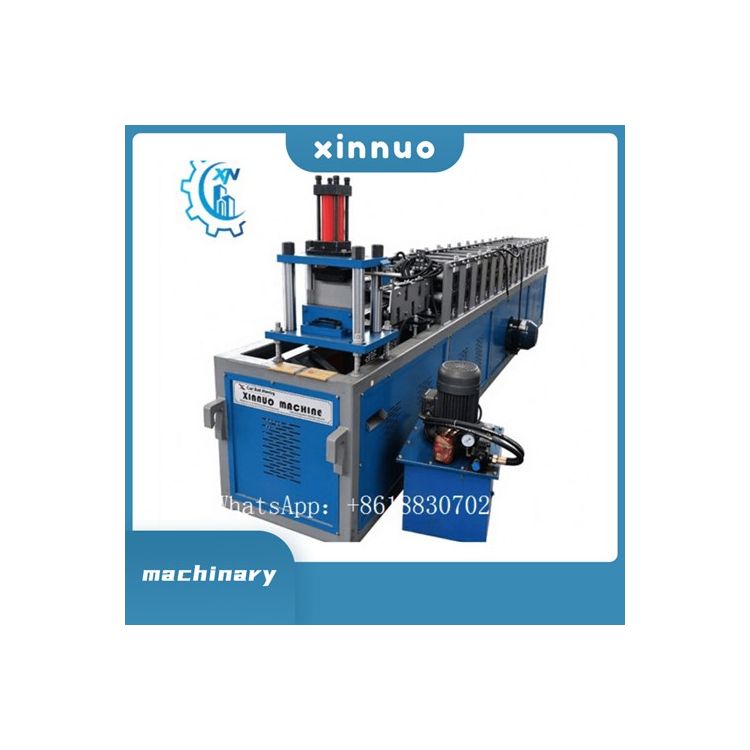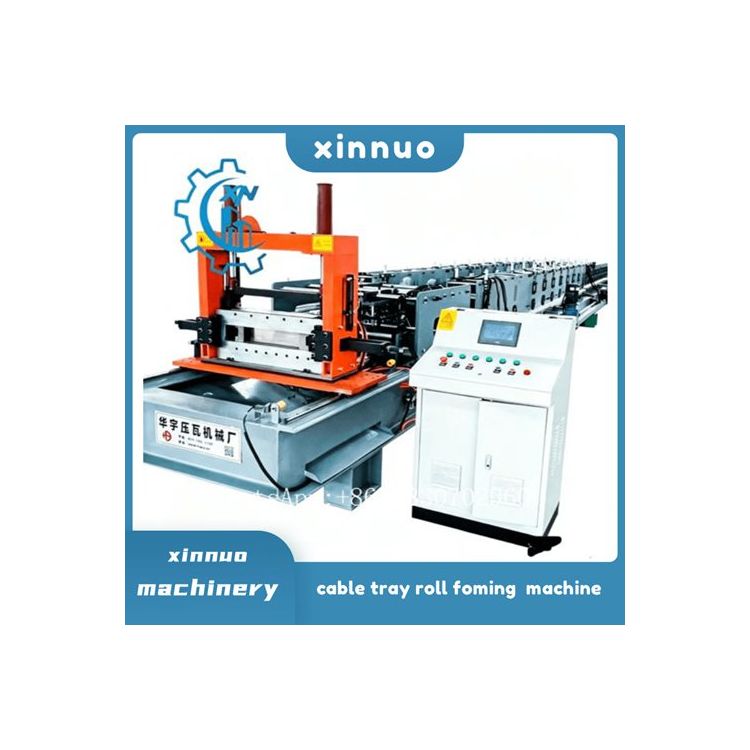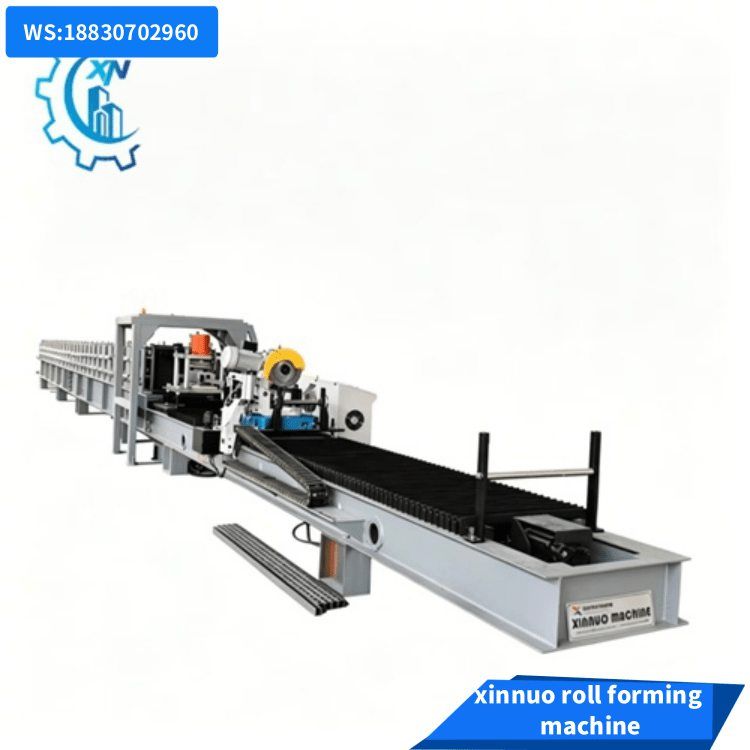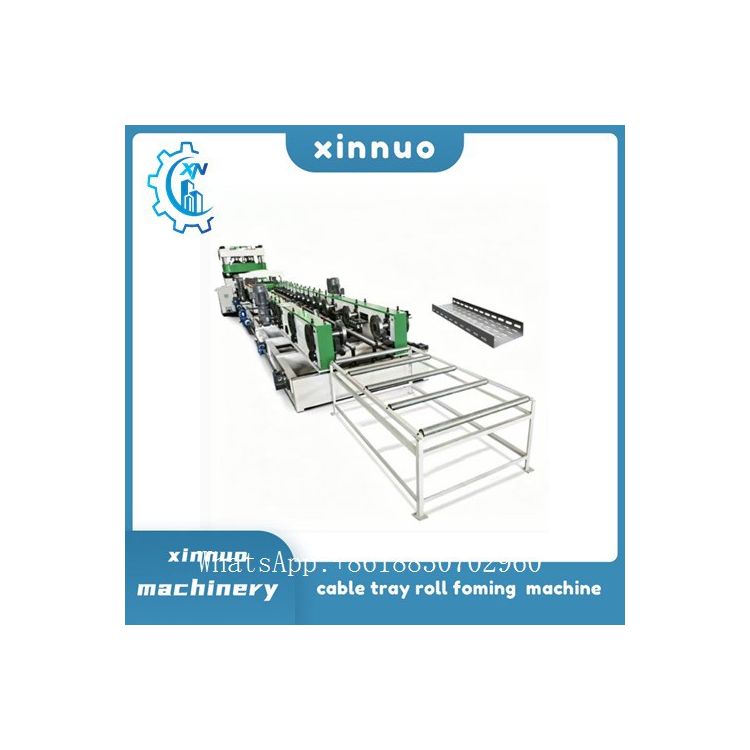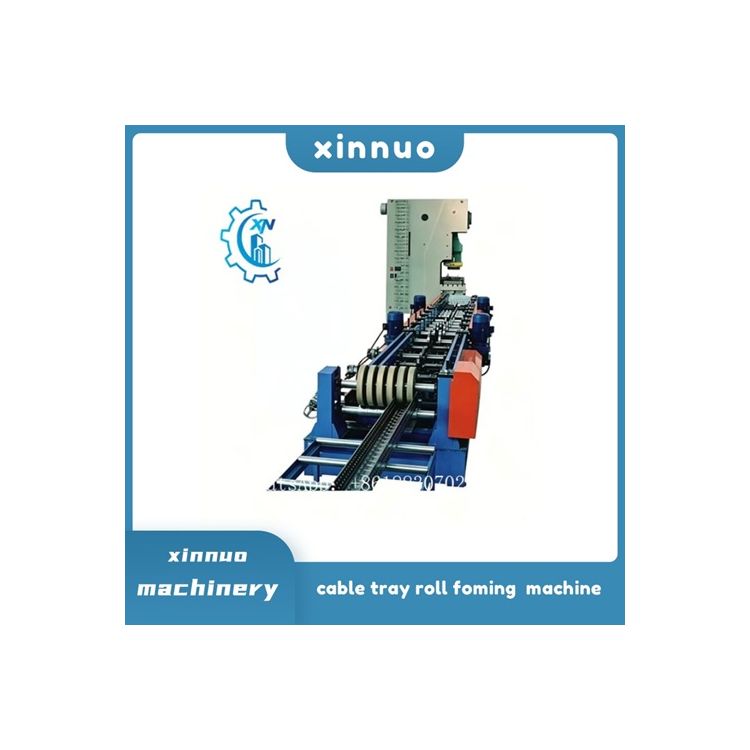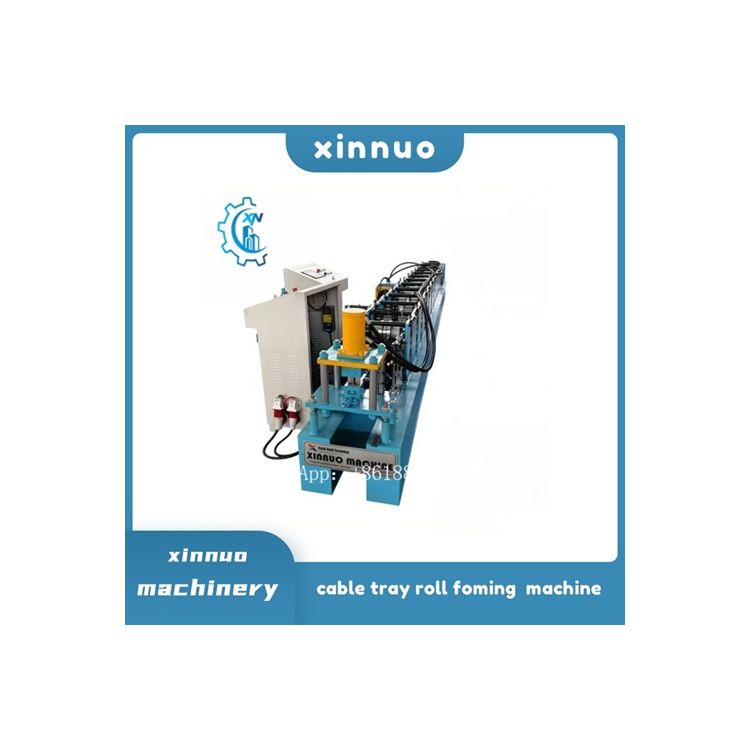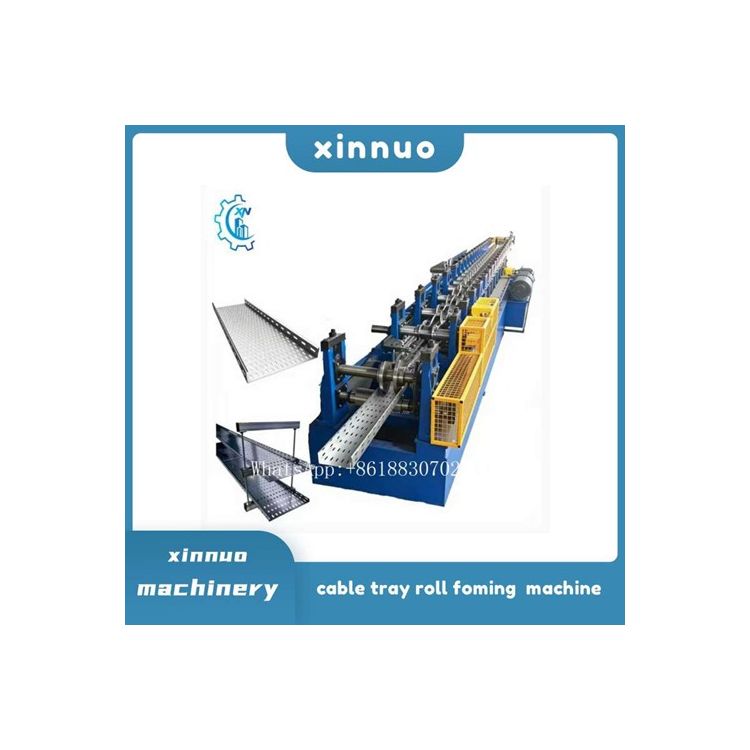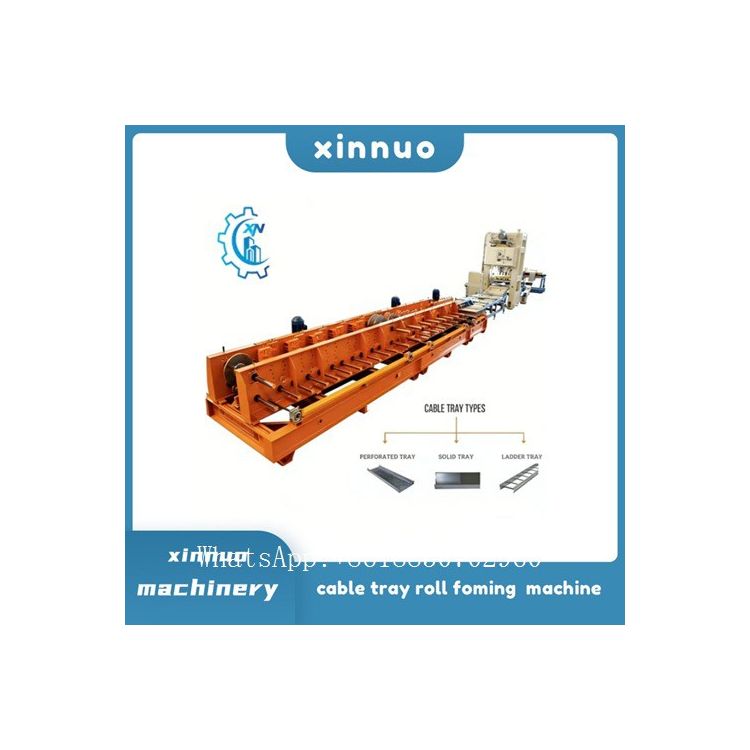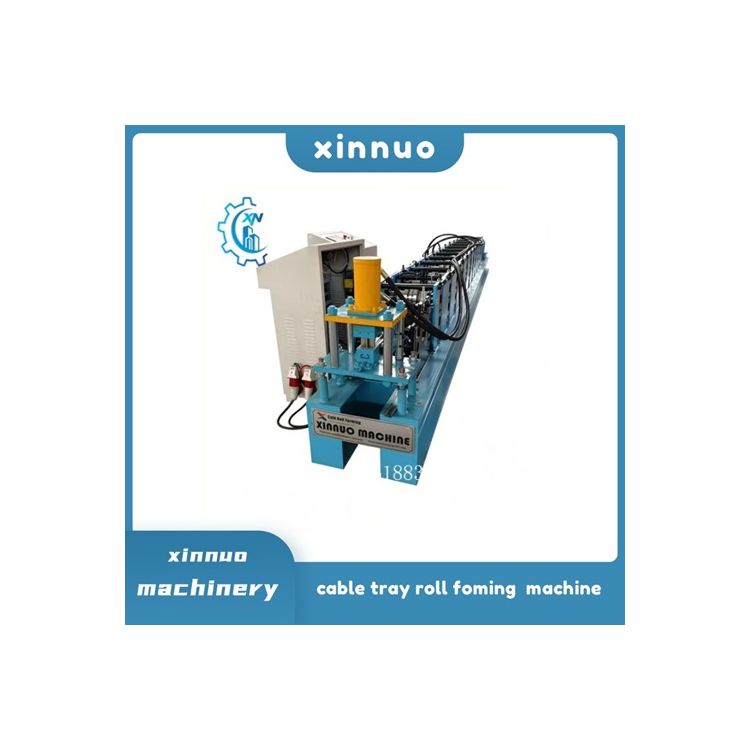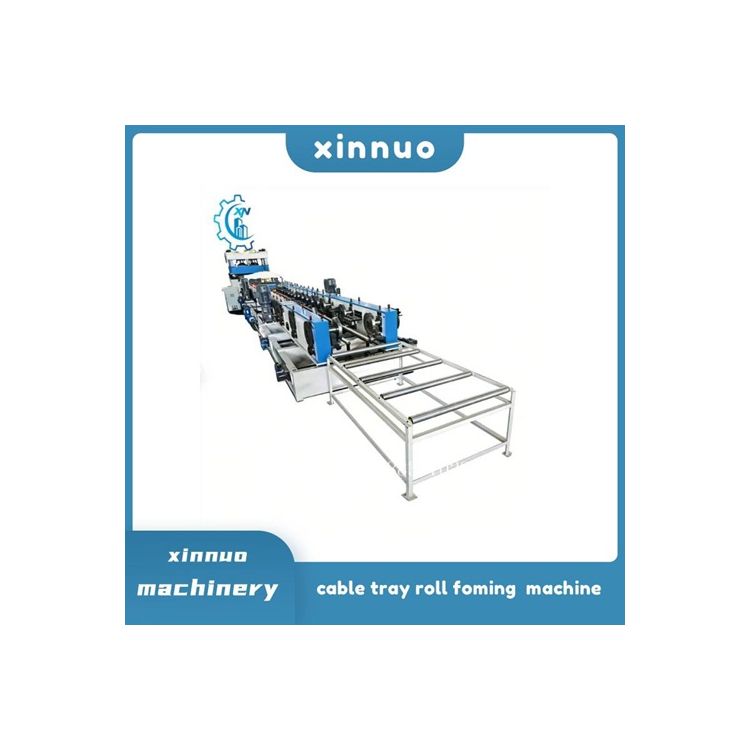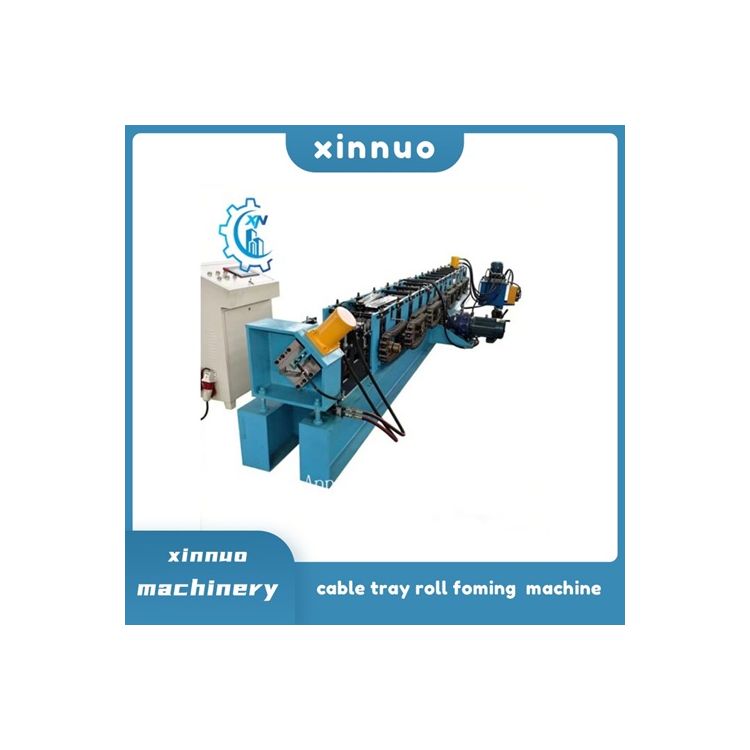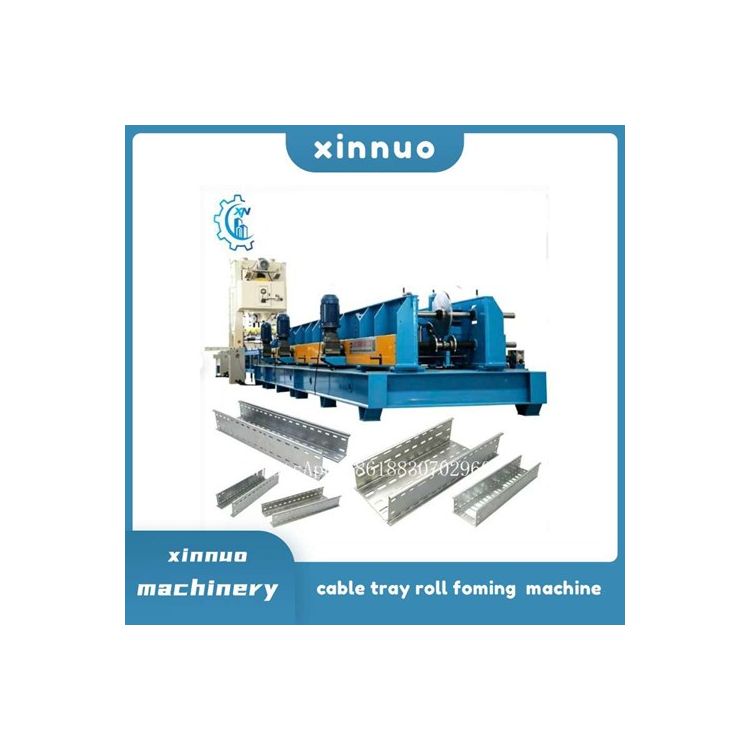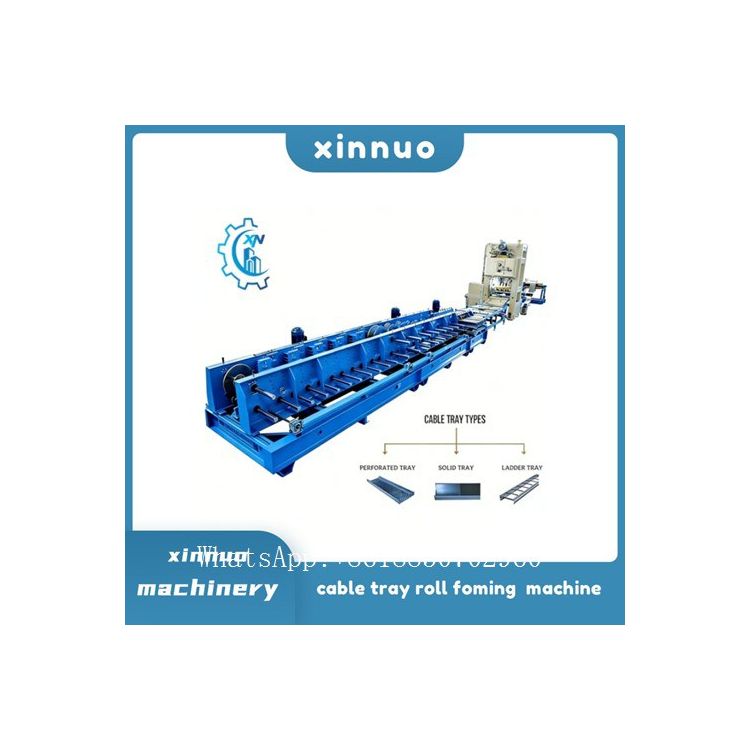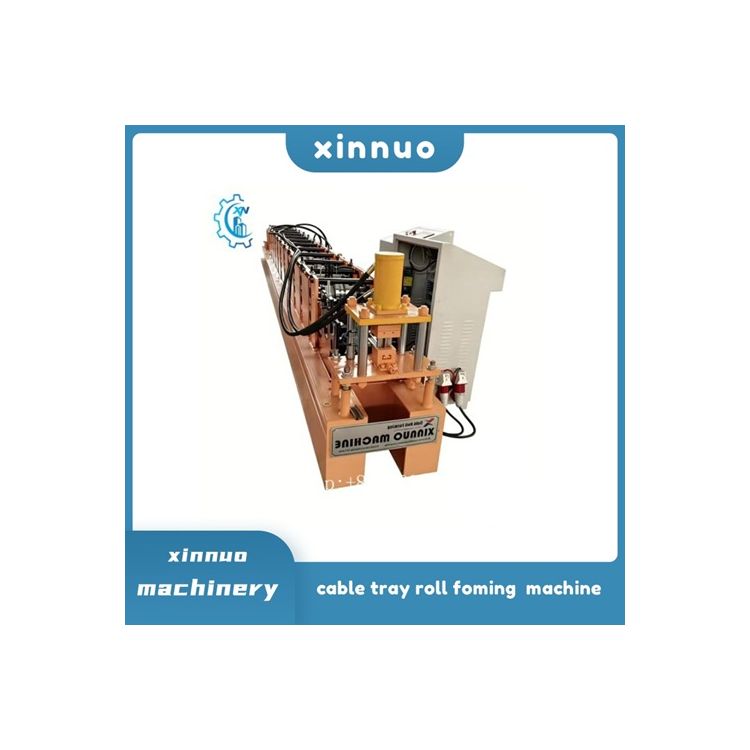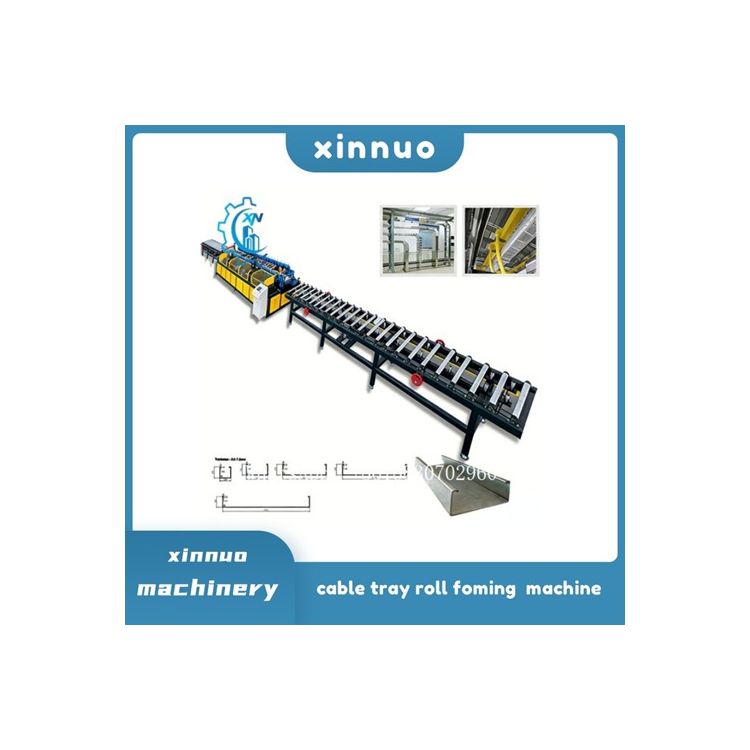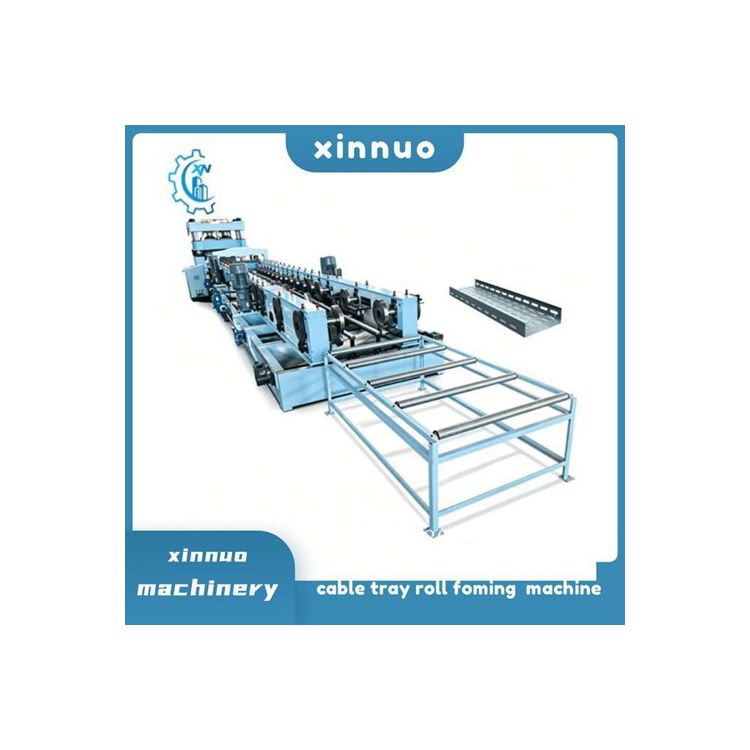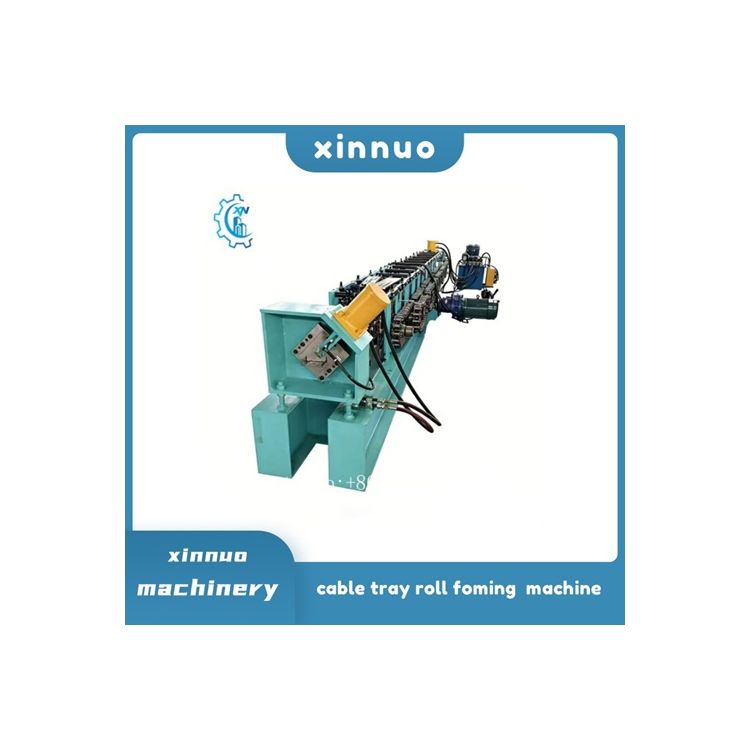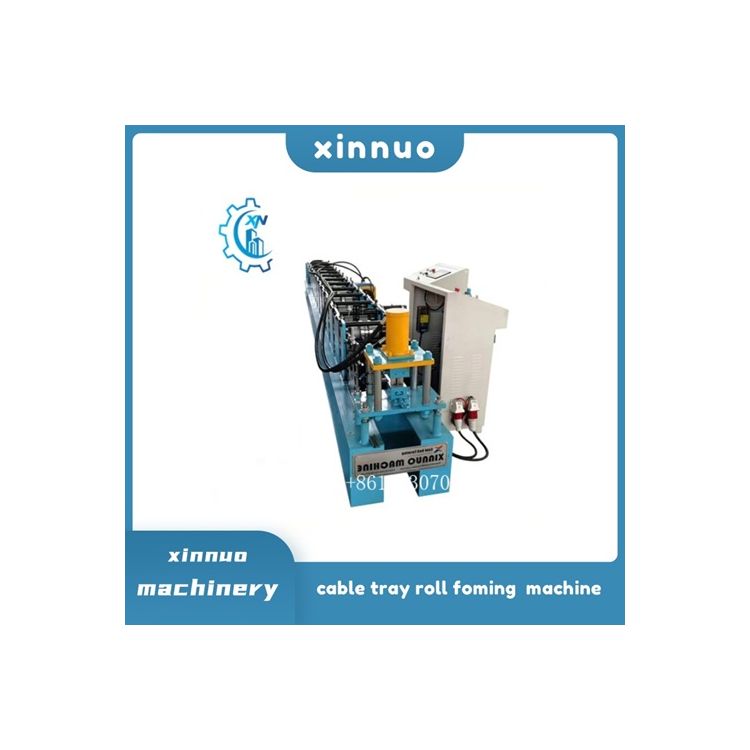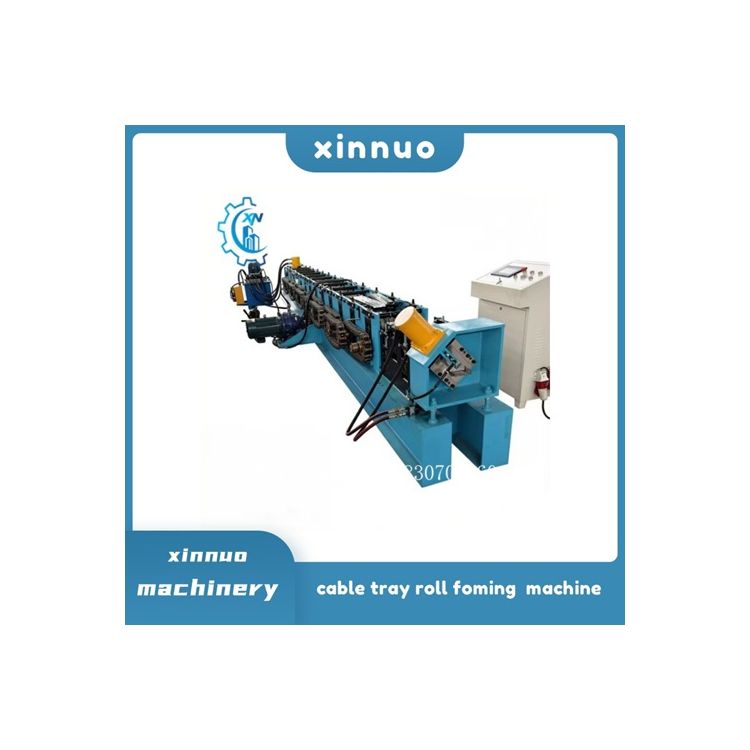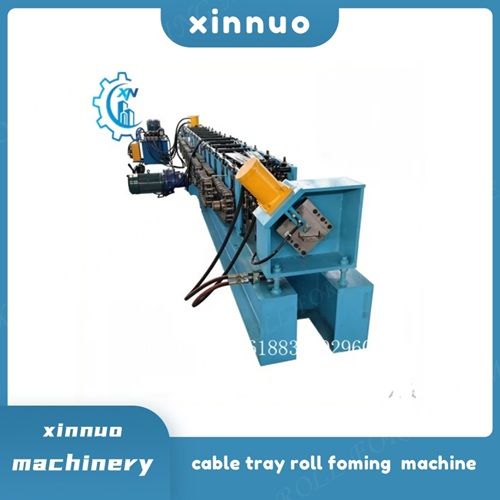
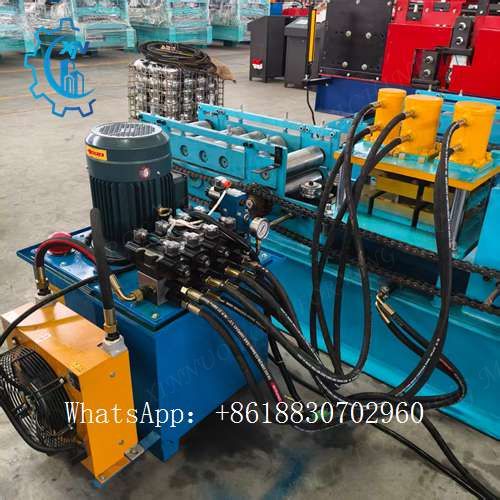
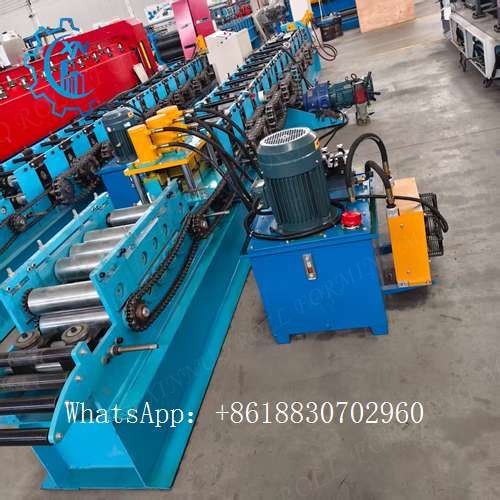
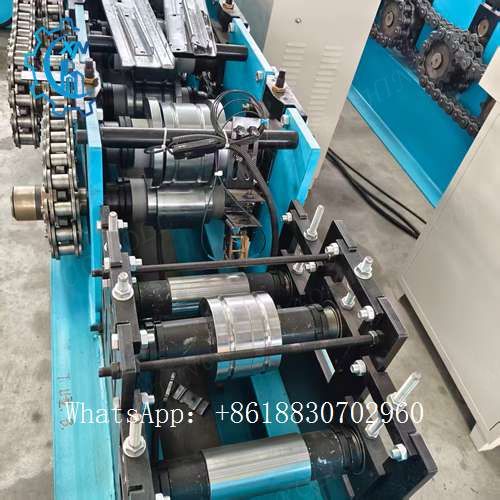
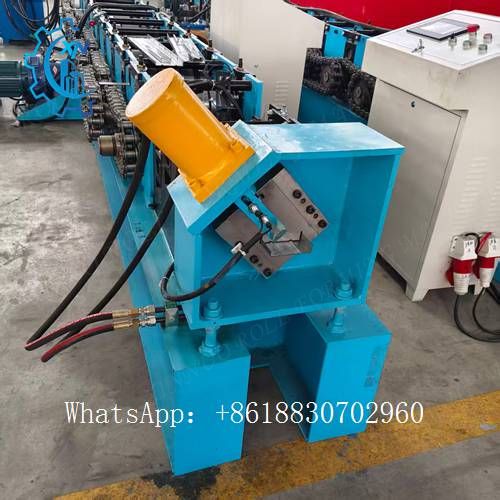
Model:cable tray roll forming machine
Develivry time:60-80 workdays
Working speed:8-20m/min
Payment Terms:40% T/T in advance,60% when shipping
WhatsApp:+8618830702960
If you’re in the market for a cable tray roll forming machine, you’ve come to the right place. In this guide, we’ll take you through everything you need to know in order to make an informed purchase. We’ll cover the different types of machines on the market, explain their benefits and drawbacks, and give you a comprehensive buying guide. Thanks for reading!
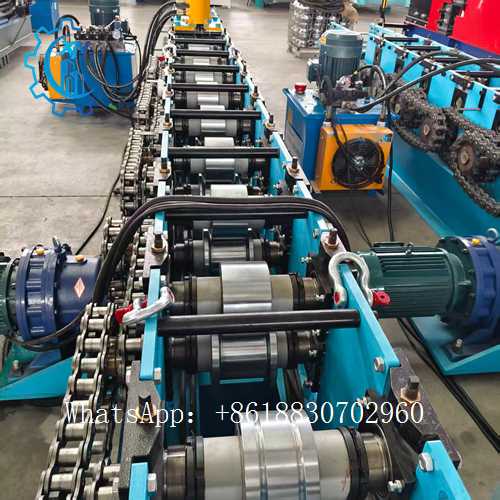
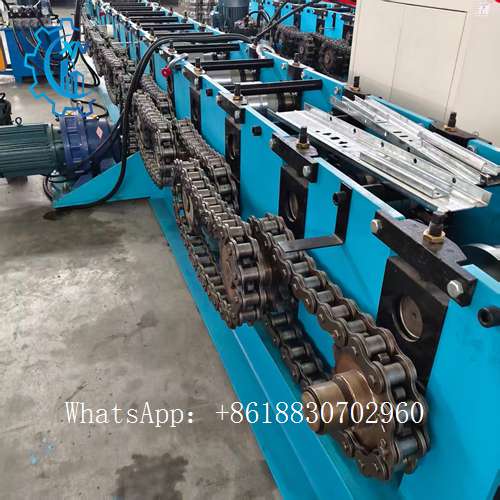
A cable tray roll forming machine is an industrial equipment used for the production of cables, tubes and wire mesh products. It is a high-speed, continuous-forming machine that uses a rotating drum to form metal wires or cables into desired shapes.
The cable tray roll forming machine has a number of features that make it an ideal choice for producing quality cables, tubes and wire mesh products. These include its high speed, ability to produce multiple strands at once and its ability to form complex shapes.
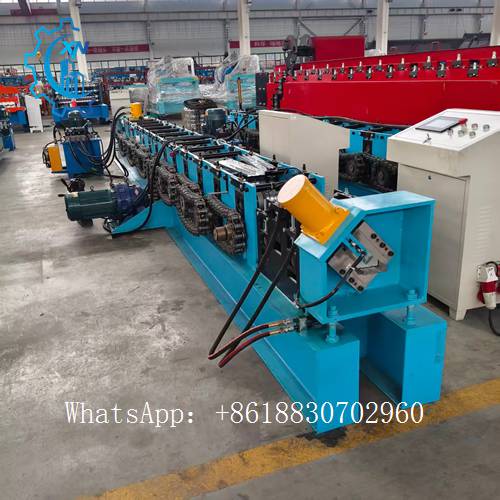
Cable tray roll forming machines are a great option for rapid fabrication of cable tray products. These machines allow for extremely quick and accurate production of cable trays, which can save you time and money. Here are some of the benefits of using a cable tray roll forming machine:
-Quick and accurate production of cable trays
-Reduced time and labor costs
-Easier and faster assembly process
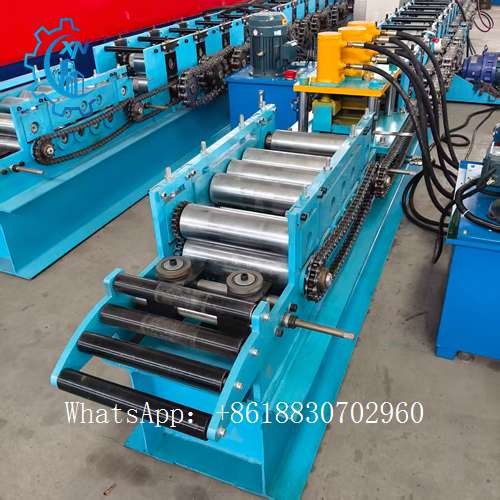
Cable Tray Roll Forming Machines are widely used in the manufacturing of cable trays. They are particularly useful for producing customized cable trays according to customer specifications. Cable Tray Roll Forming Machines can be broadly classified into two types- those that use a single roll form and those that use multiple rolls.
The single roll type machines use a large diameter, flat sheet steel sheet as the forming surface. The sheet is fed into the machine on one side and emerges on the other side with the desired shape of a cable tray. This type of machine is very versatile and can be used to produce a wide variety of cable tray shapes.
The multiple roll type machines use multiple rolls to form the cable tray. The rolls are oriented so that they contact each other at various points along their length, resulting in the formation of a custom shaped cable tray. This type of machine is more expensive than the single roll type machine, but it allows for greater flexibility in producing customized cable trays.
| Metric | 2023 Baseline | 2026 Best-in-Class | Typical Range 2026 | Notes/Sources |
|---|---|---|---|---|
| Line speed (m/min) | 10–20 | 30–40 | 15–35 | Servo lines with flying shear; SME, IEC vendor catalogs |
| Scrap rate (%) | 3.0–5.0 | 1.0–2.0 | 1.5–3.0 | Inline vision + closed-loop feed; SME/ISA case notes |
| Changeover time (min) | 60–120 | 15–40 | 20–60 | Quick-change cassettes; OEM datasheets |
| Energy use (kWh/ton) | 120–160 | 90–120 | 100–140 | VFDs/regenerative drives; DOE AMO, Worldsteel LCA |
| OEE (%) | 60–70 | 78–88 | 70–82 | Predictive maintenance (IoT); ISA |
| Installed cost (USD) | — | — | $120k–$480k | Width, punching station count, automation level |
| Compliance | IEC 61537/NEMA VE 1 | UL listing optional | — | Standards directories: IEC, UL, NEMA |
When it comes to cable tray roll forming machines, there are a few things to keep in mind if you want to get the most out of your investment. Here are some best practices for using a cable tray roll forming machine:
1) What materials and thicknesses can cable tray roll forming machines handle?
2) How fast do modern cable tray roll forming machines run?
3) Can one machine produce multiple tray widths and side heights?
4) What standards should finished cable trays comply with?
At XINNUO, we are committed to delivering high-performance metal roll forming machines tailored for global industrial needs. Our equipment offers reliable and flexible production capabilities to meet the demands of modern construction and manufacturing industries.


 8618830702960