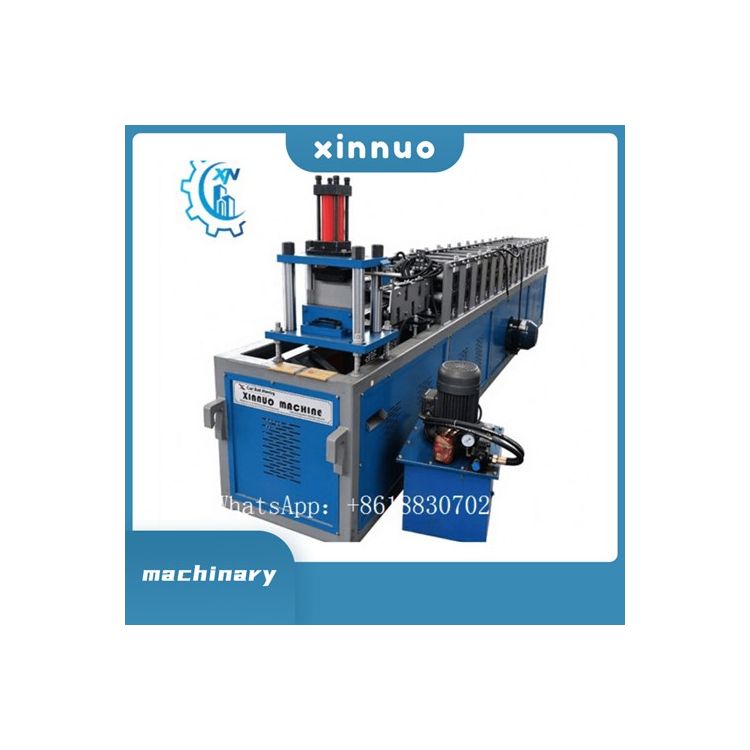
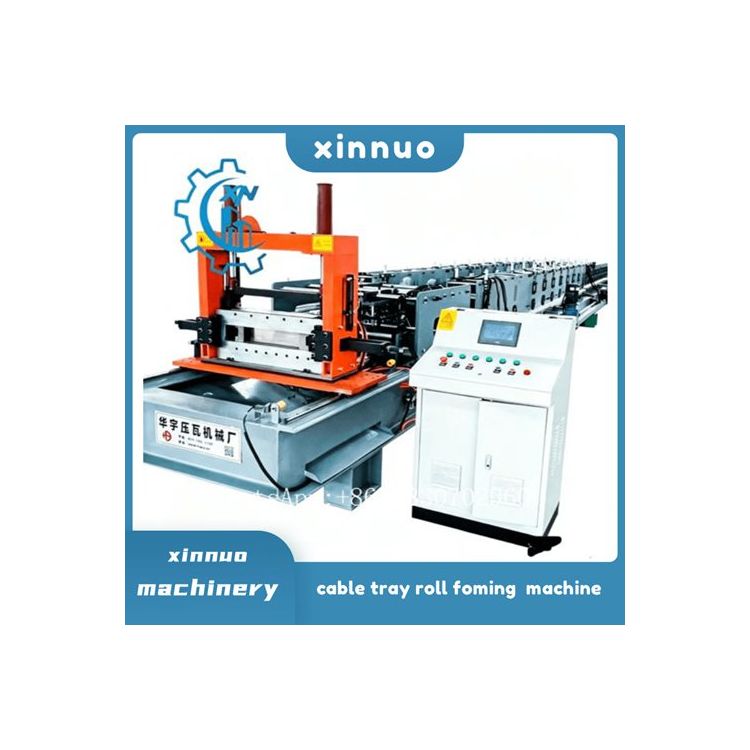
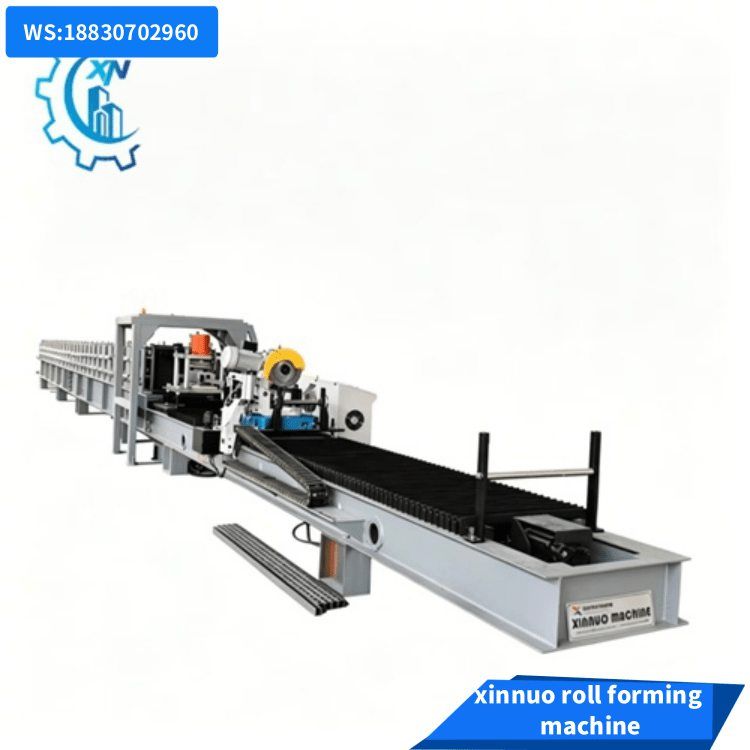
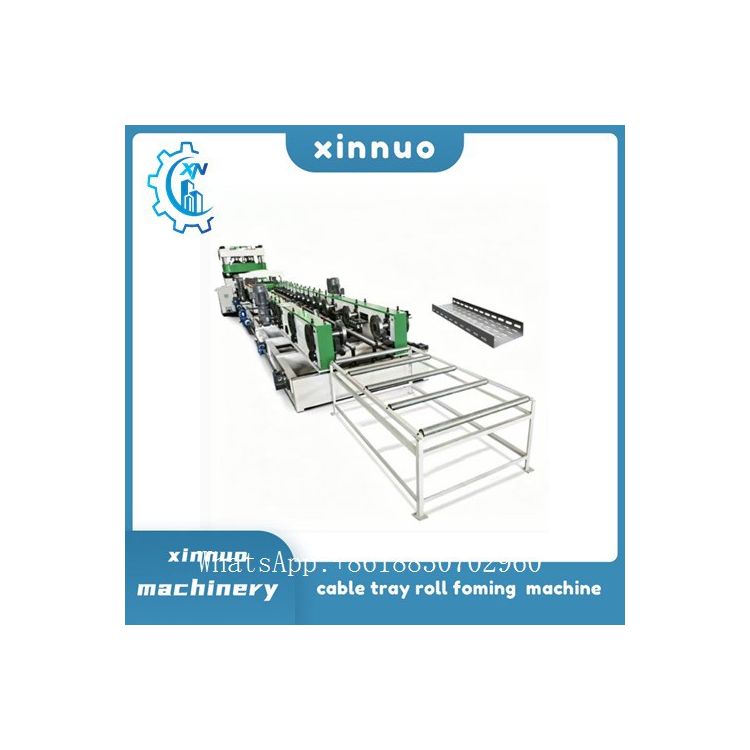
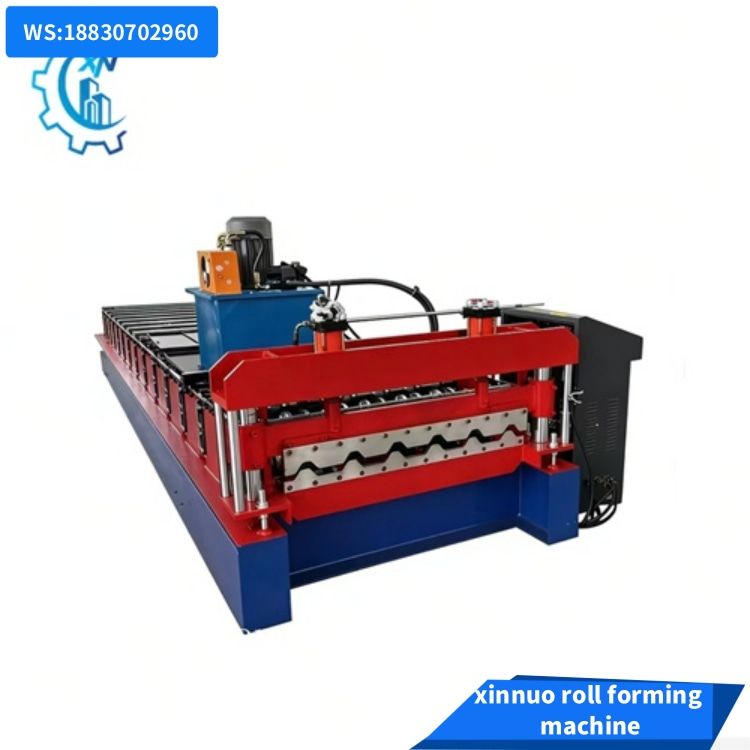
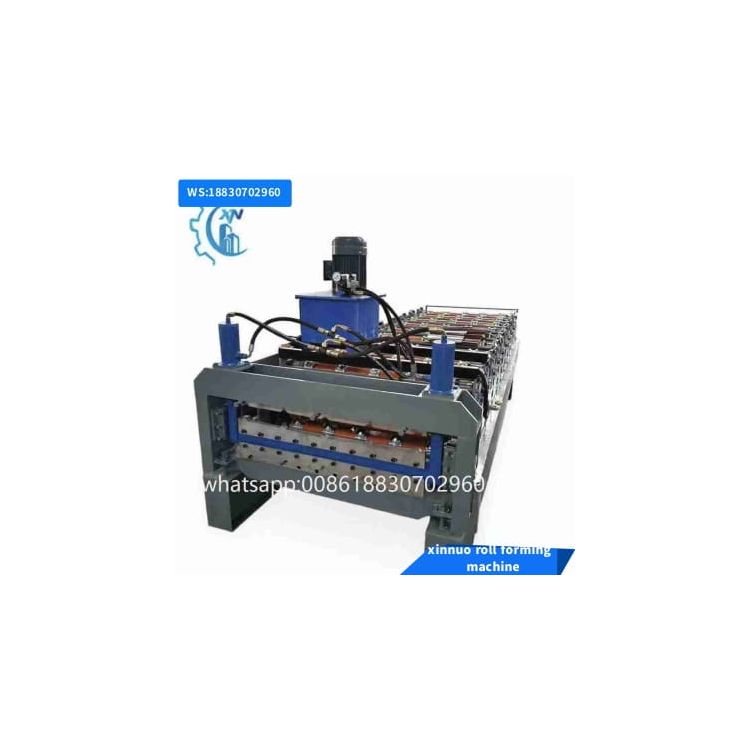
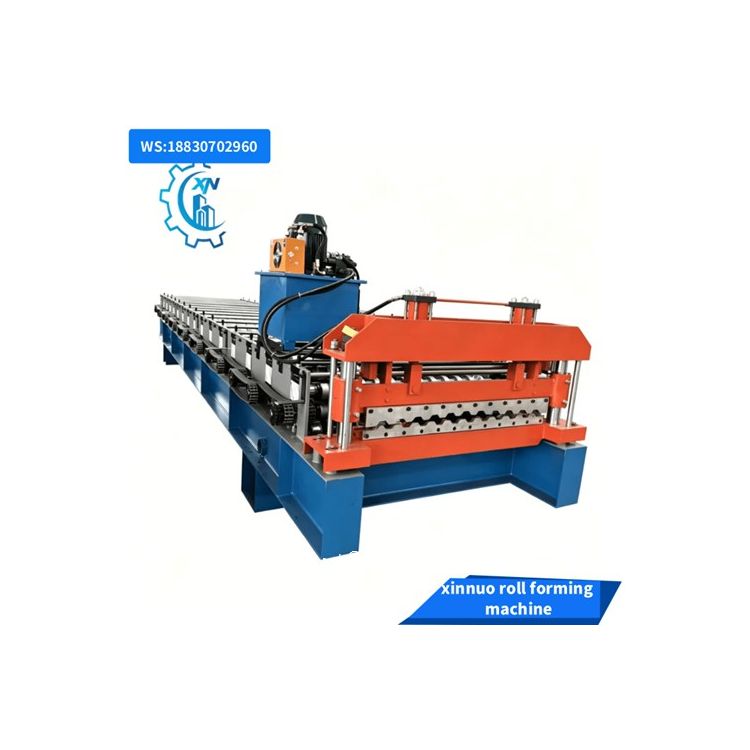
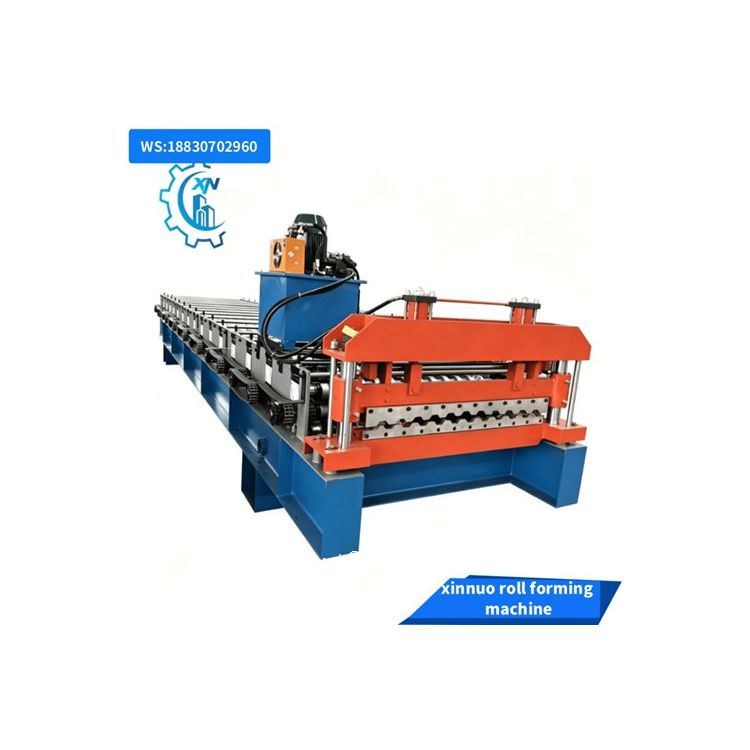
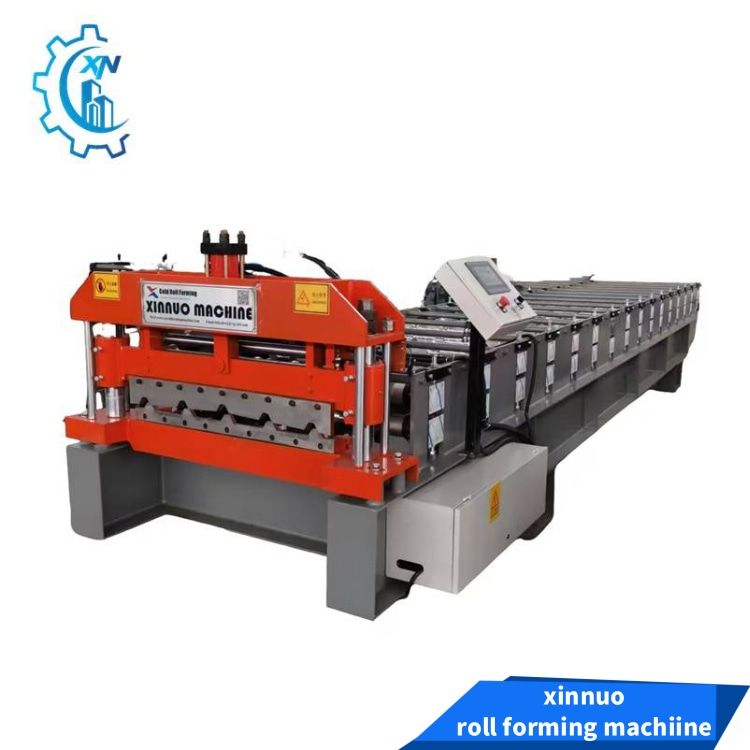
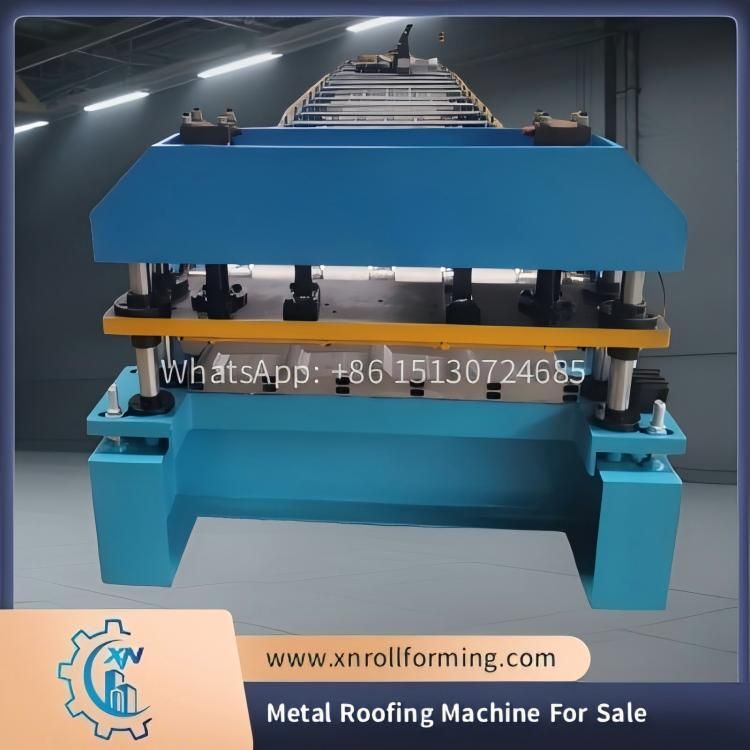
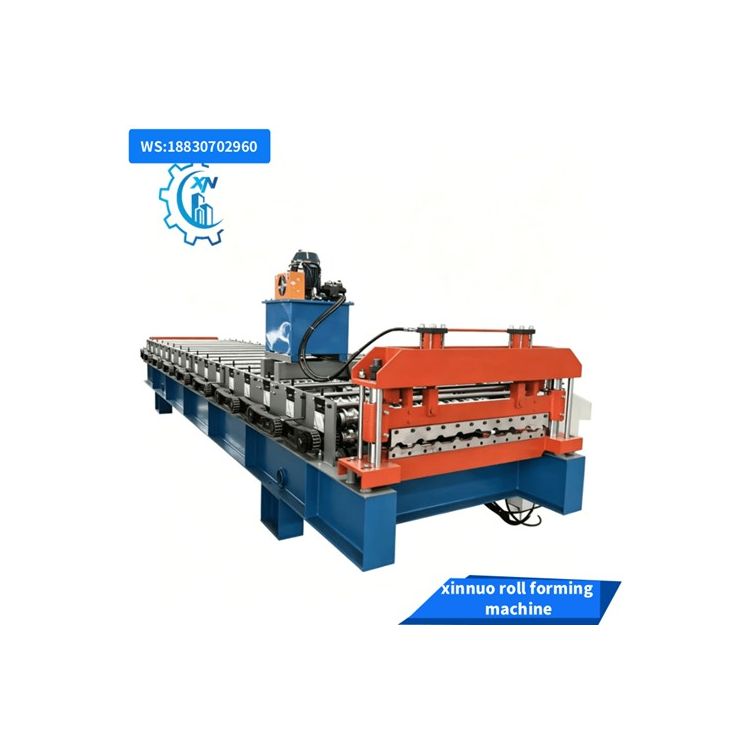
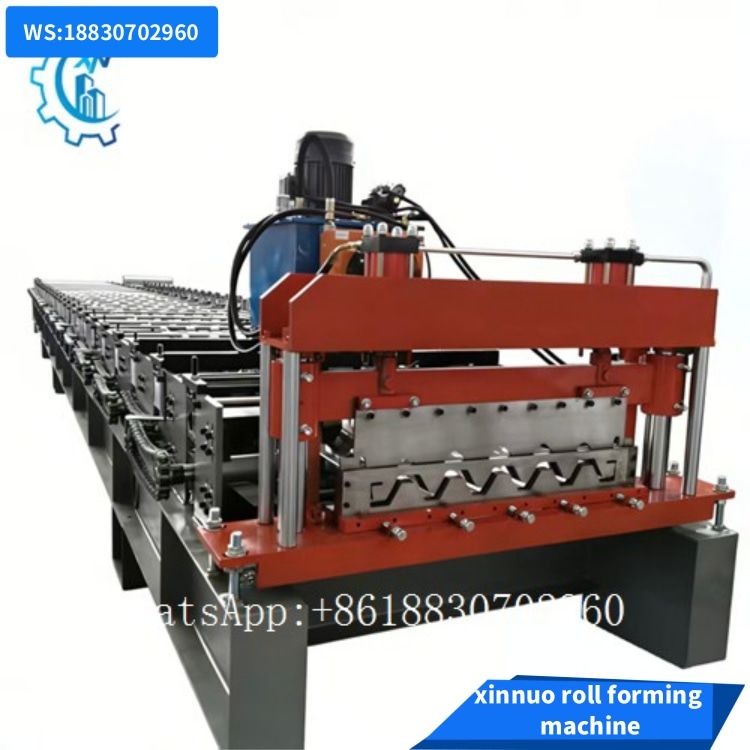
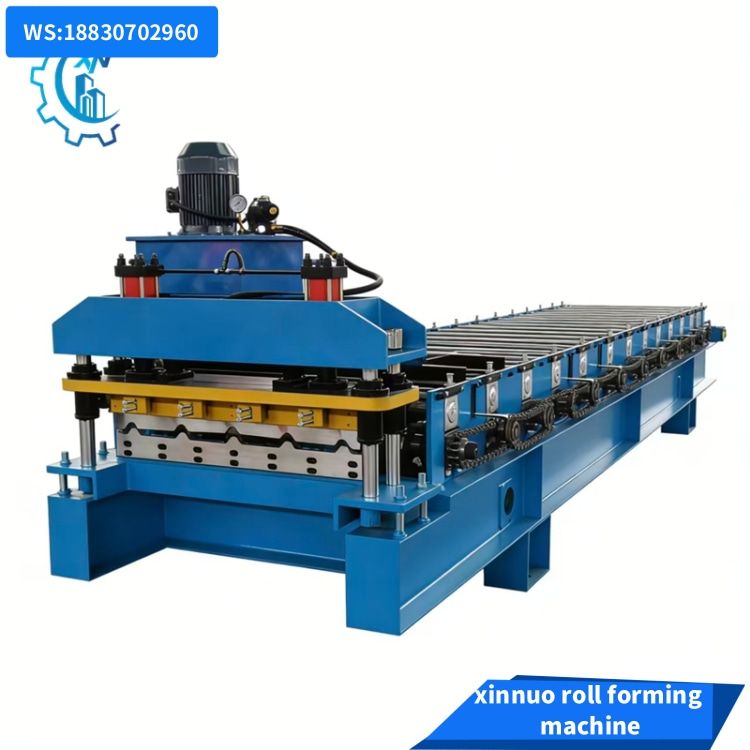
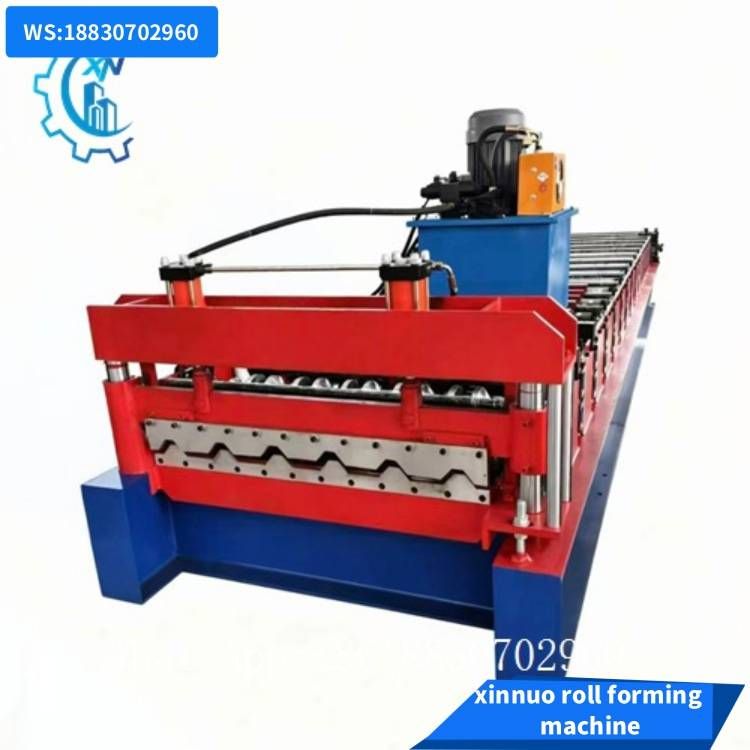
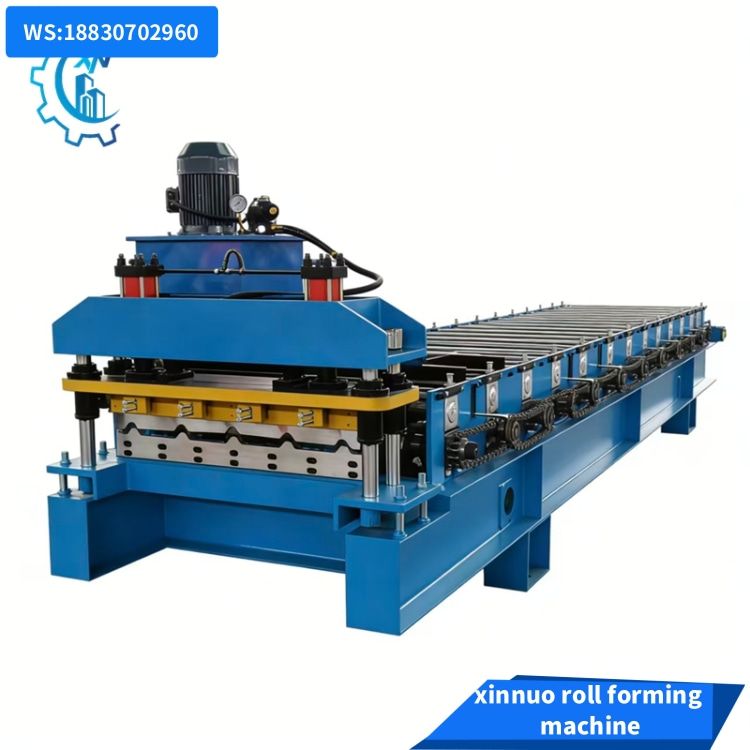
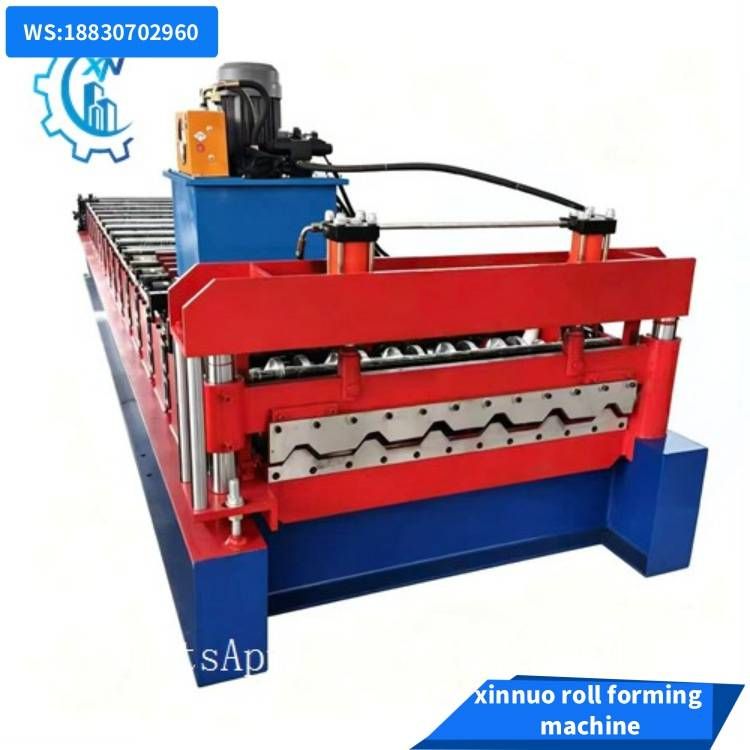
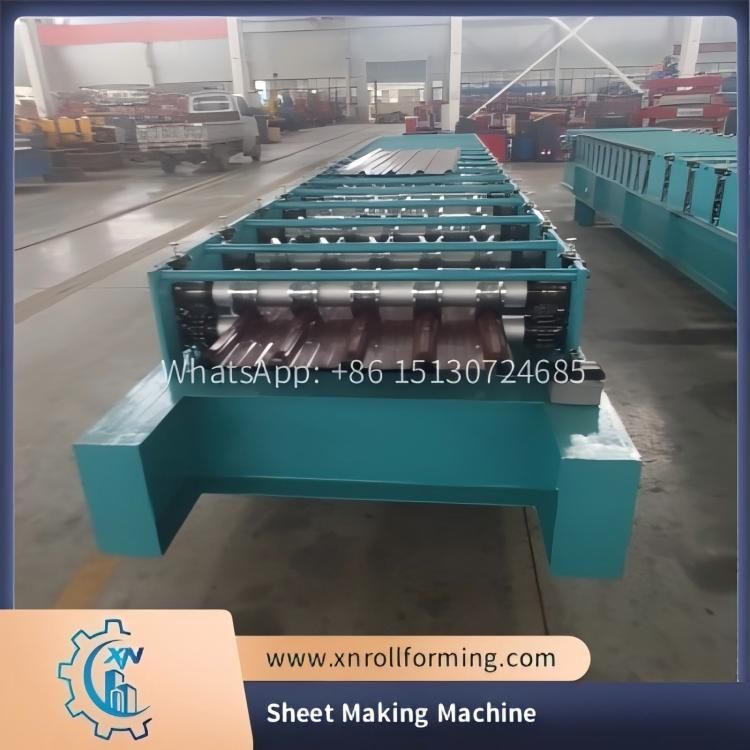
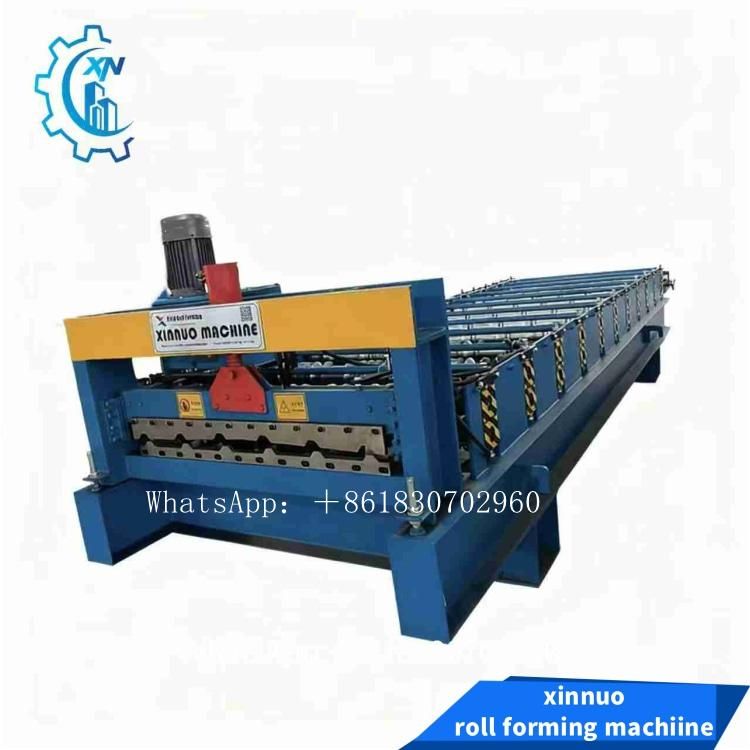
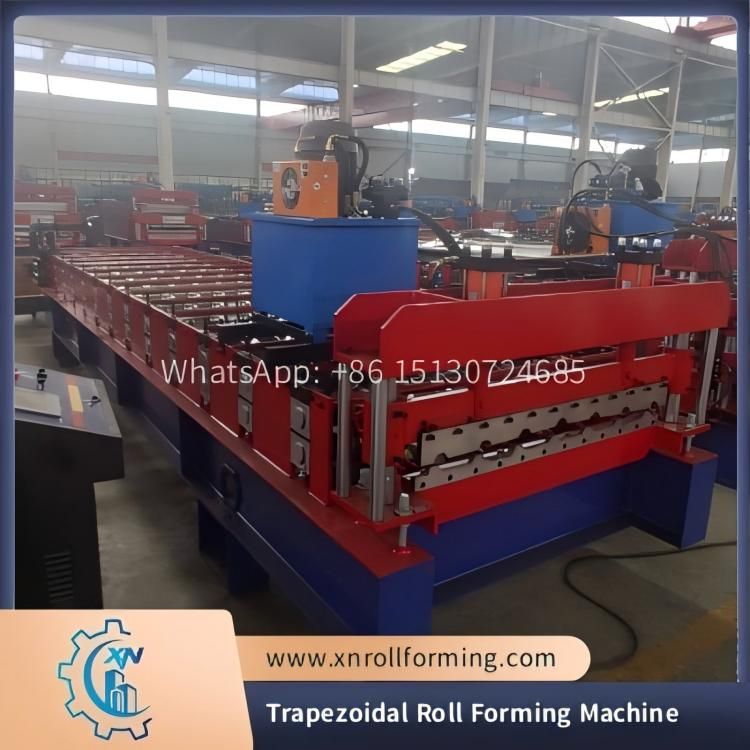
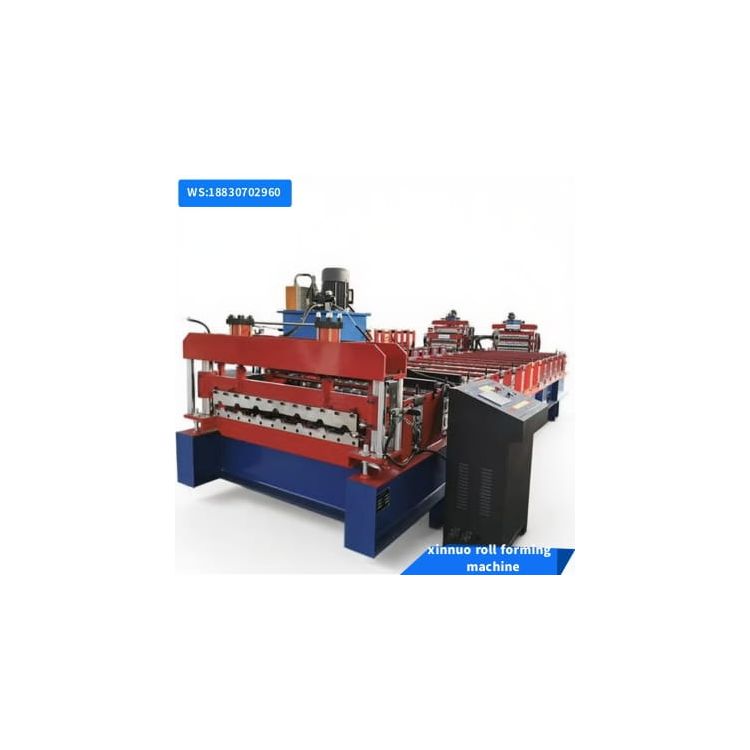
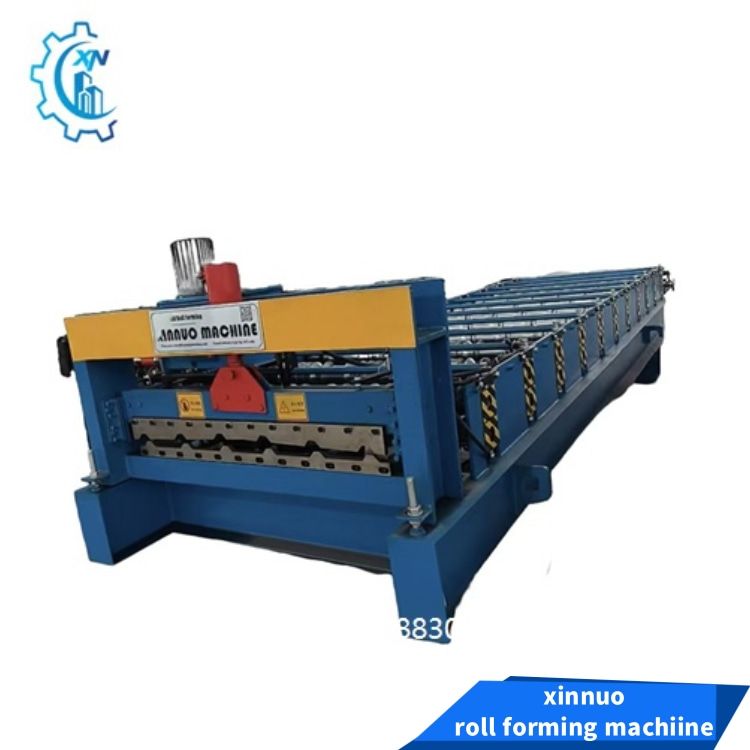
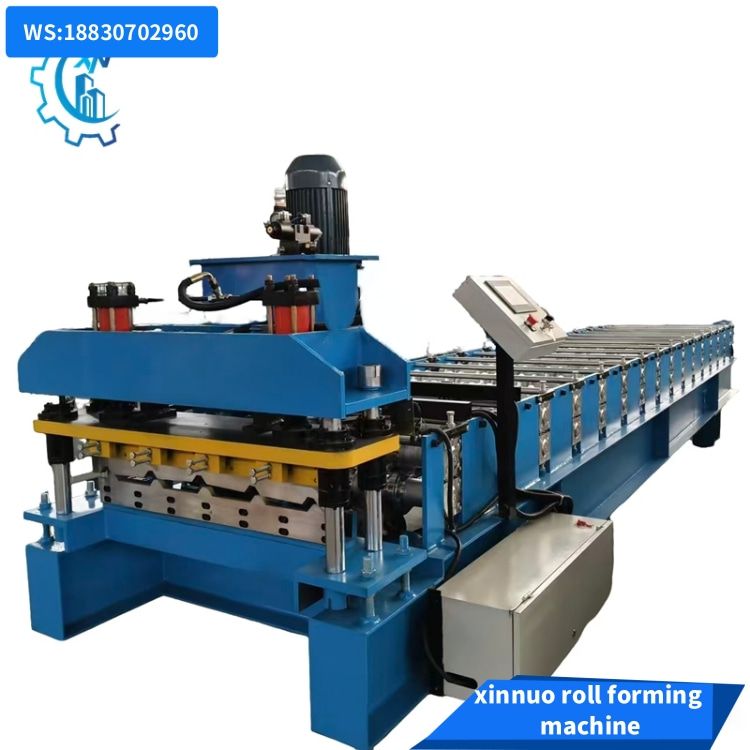
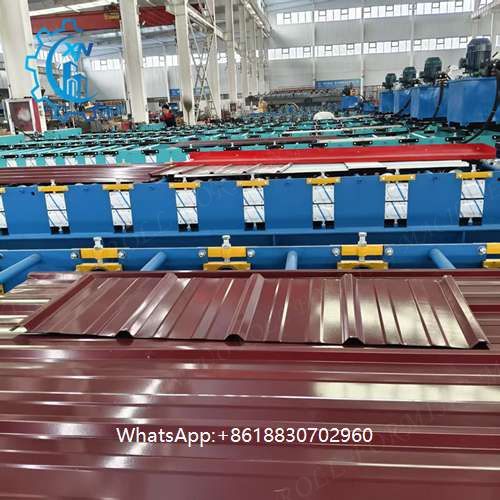
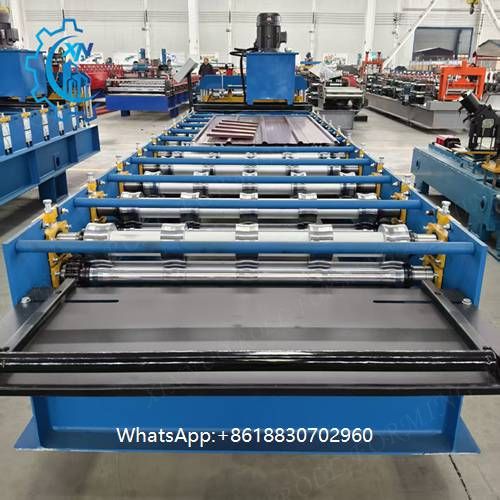
Automatic Trapezoidal Panel Roll Forming Machine
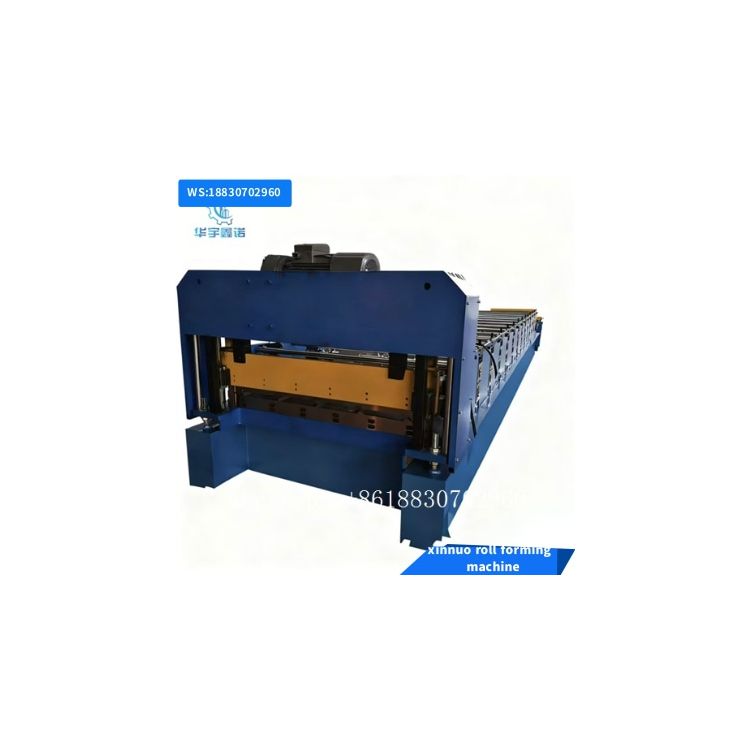
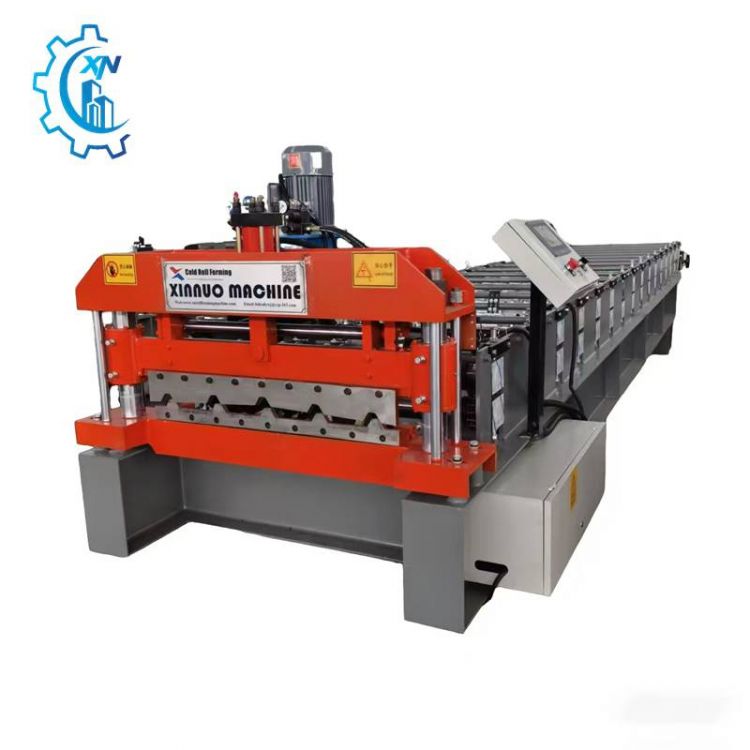
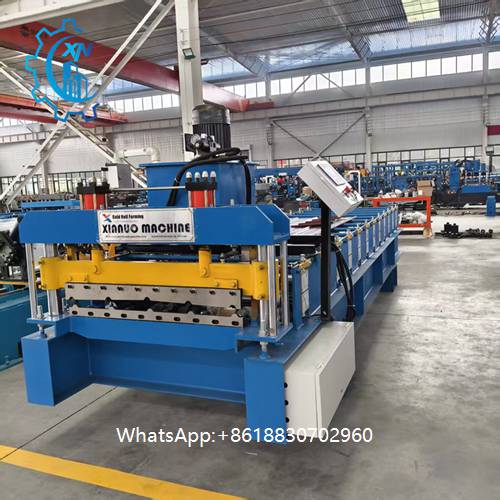
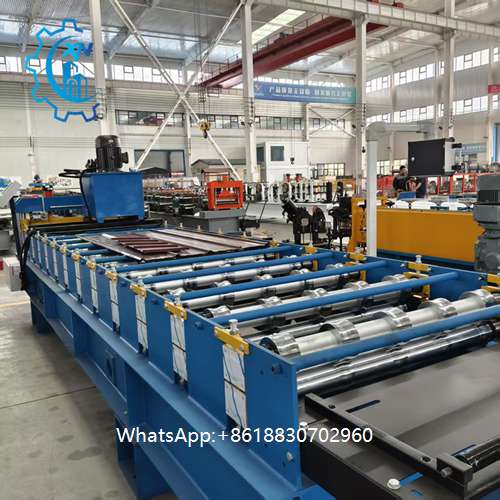
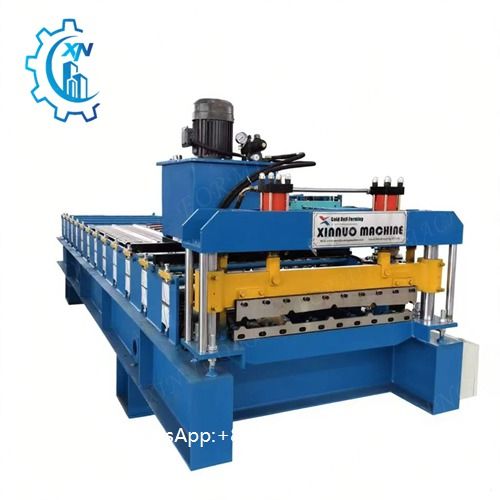
This fully automatic trapezoidal panel roll forming machine integrates feeding, roll forming, cutting, and stacking functions, significantly reducing manual intervention and improving production efficiency by up to 60% compared to semi-automatic models. It features a PLC control system with a user-friendly touchscreen, allowing operators to set parameters (panel length, forming speed) with one click and store 50+ sets of production recipes for quick recipe switching. The automatic cutting unit uses a high-precision servo motor to ensure error-free length control (tolerance ≤ ±0.5mm), while the auto-stacking module arranges finished panels neatly to avoid scratches. Perfect for modern assembly lines in building material factories, prefabricated housing projects, and large-scale construction sites.
| Parameter |
Specification |
| Forming Speed |
15-25 m/min |
| Processing Material |
Galvanized steel, aluminum alloy, color-coated steel |
| Material Thickness |
0.2-2.0mm |
| Panel Width |
300-1200 mm (customizable) |
| Trapezoidal Height |
15-80 mm |
| Forming Accuracy |
±0.5 mm |
| Control System |
PLC with touchscreen (supports 50+ recipe storage) |
| Power Supply |
380V/50Hz (customizable for 220V/60Hz) |
| Machine Dimension |
6000×1200×1500 mm (L×W×H) |
| Net Weight |
3500-5000 kg (varies by configuration) |
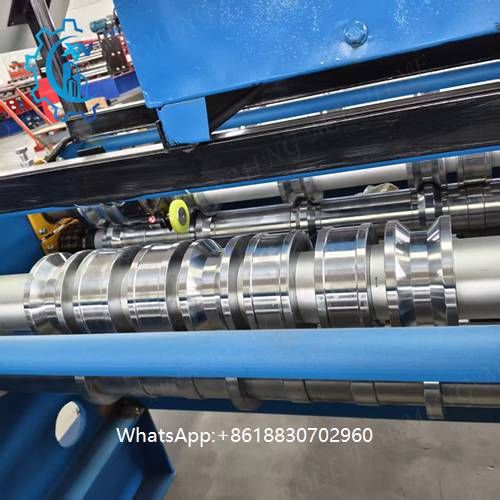
- Inspect the forming rollers for debris, metal shavings, or rust. Clean them with a soft brush or lint-free cloth; avoid using abrasive tools to prevent surface damage.
- Check the lubrication status of key moving parts (e.g., roller bearings, chain drives). Add industrial lubricating oil (as specified in the user manual) if the oil level is low or the surface is dry.
- Verify the electrical system (cables, plugs, touchscreen) for loose connections, fraying, or abnormal displays. Power off immediately if any fault is found and contact maintenance personnel.
- Clear the material feeding area and finished product stacking zone to ensure no obstacles block the machine’s operation.
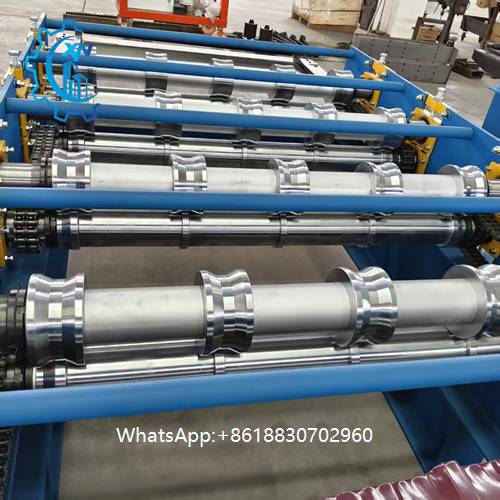
- Conduct a thorough inspection of the forming roller alignment. Use a precision ruler to check if rollers are parallel; adjust the fixing bolts gently if misalignment is detected (follow the manual’s torque specifications).
- Examine the cutting blade (for automatic models) for dullness or chipping. Sharpen or replace the blade if it causes rough edges on trapezoidal sheets; retighten the blade holder after maintenance.
- Clean the PLC control cabinet and ventilation grilles. Use a compressed air duster to remove dust (keep pressure ≤ 0.4MPa to avoid damaging internal components).
- Test the safety devices (emergency stop button, overload protector, safety guards) to ensure they trigger correctly and stop the machine immediately when activated.
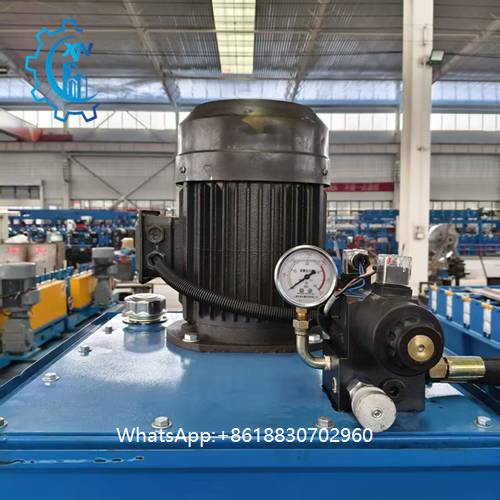
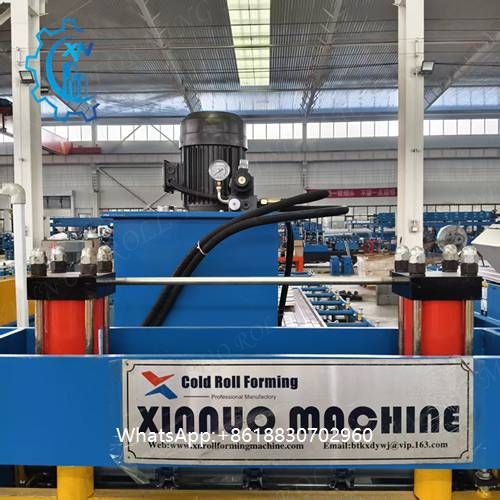
- Drain and replace the hydraulic oil (if the machine has hydraulic components, e.g., auto-stacking cylinders). Dispose of used oil according to local environmental regulations; refill with oil of the viscosity grade recommended by the manufacturer.
- Inspect the drive belt/chain for wear, stretching, or cracks. Adjust the belt tension or replace the chain if signs of damage are found; apply anti-rust lubricant to the chain after adjustment.
- Check the material guiding rails for wear or deformation. Polish minor scratches with fine sandpaper and apply anti-friction grease to ensure smooth material feeding.
- Calibrate the forming accuracy and length measurement system. Use a standard sample sheet to verify dimensions; reset parameters via the touchscreen if deviations exceed ±0.5mm.
- Quarterly: Disassemble and clean the roller bearings; replace worn bearings with original spare parts. Inspect the machine’s steel frame for loose welds or structural deformation; tighten bolts and reinforce weak points if needed.
- Annual: Conduct a comprehensive overhaul of the electrical components (motor, frequency converter, sensors). Test motor insulation resistance with a megohmmeter; replace aging sensors or capacitors to prevent sudden failures.
- Annual: Record all maintenance data (e.g., oil replacement dates, part replacements, accuracy calibration results) in a log. This helps track the machine’s performance and plan future maintenance.
- If the machine is not used for more than 2 weeks, apply anti-rust oil to the forming rollers and cover the machine with a dust-proof cloth. Power on and run the machine at low speed for 10-15 minutes every month to prevent component seizing.
- Avoid processing materials with impurities (e.g., sand, paint residues) that may scratch the rollers or cause jamming. Install a pre-filter in the feeding system if necessary.
- Only use original or manufacturer-approved spare parts (e.g., blades, bearings, lubricants). Using non-compliant parts may void the warranty and damage the machine.


 8618830702960