Person: XN DUAN
E-mail: yuankuoduan@gmail.com
WhatsApp/Wechat: +86 15130724685
Add: Zhenggang road, Industrial development zone, Botou city, Hebei province China.
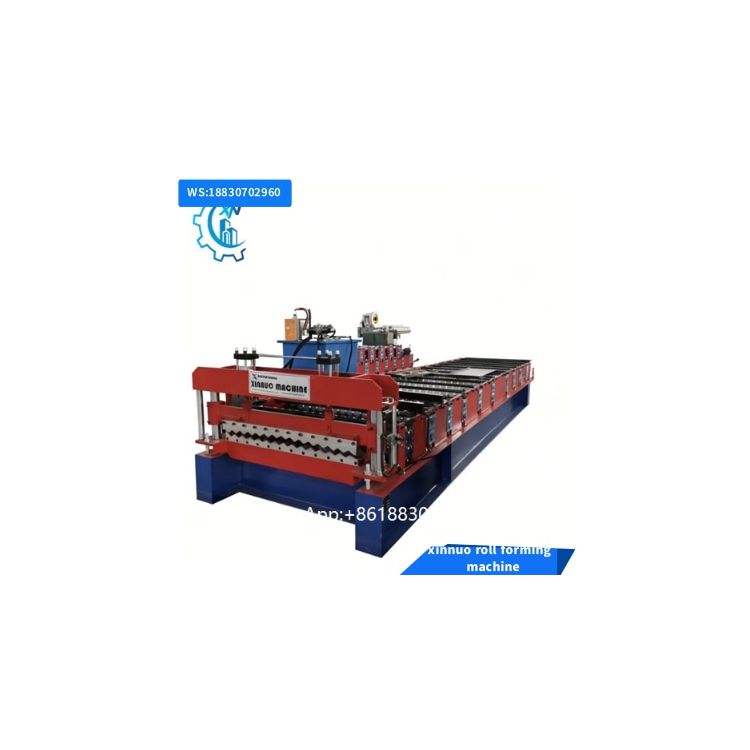
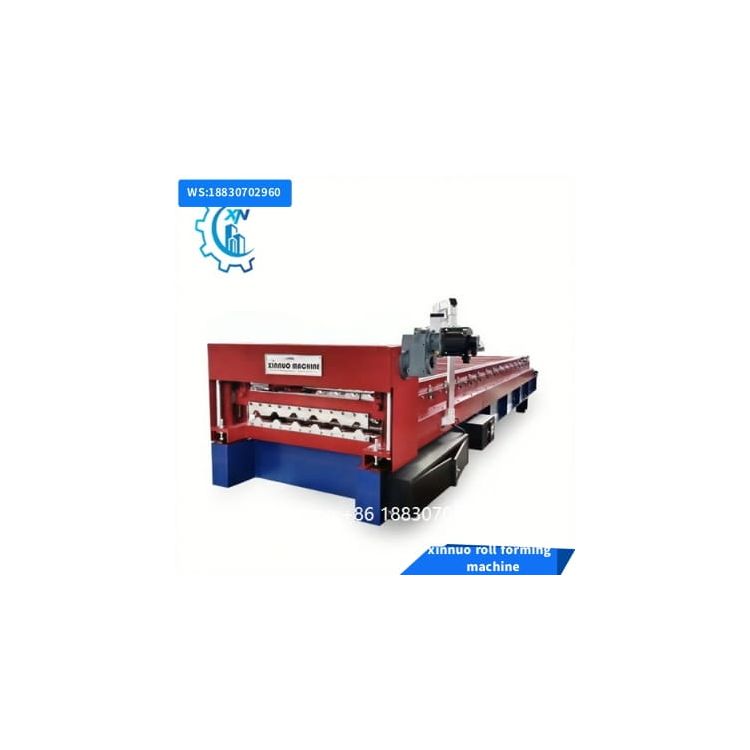
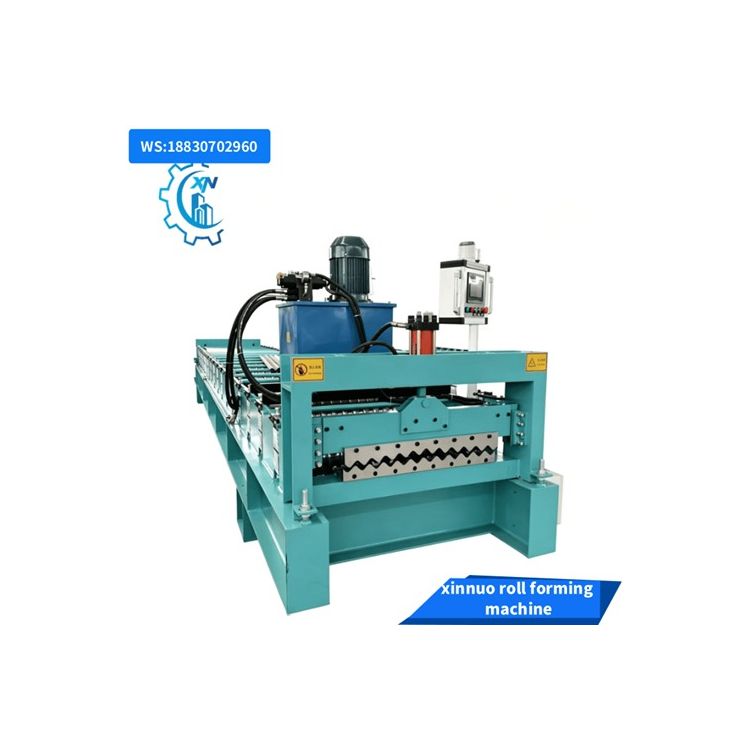
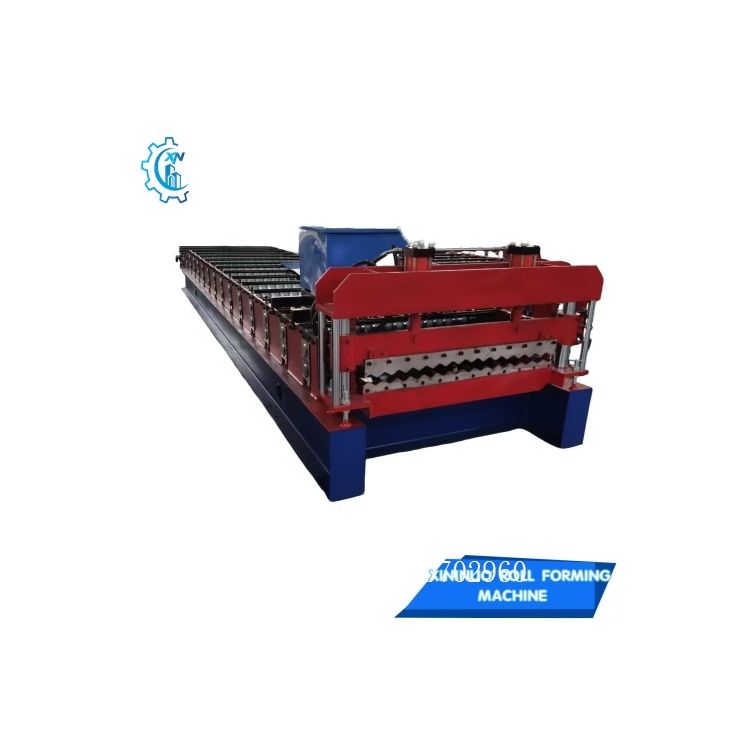
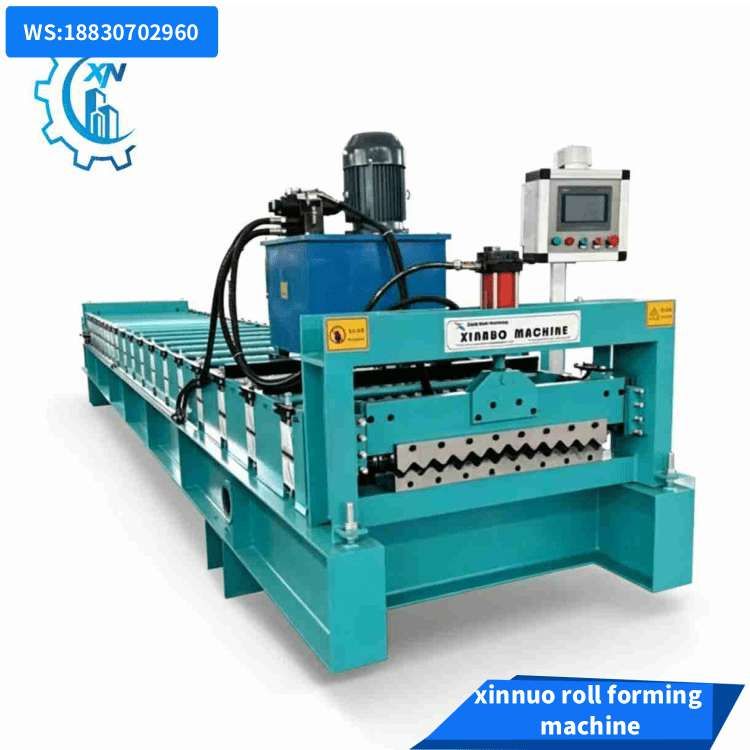
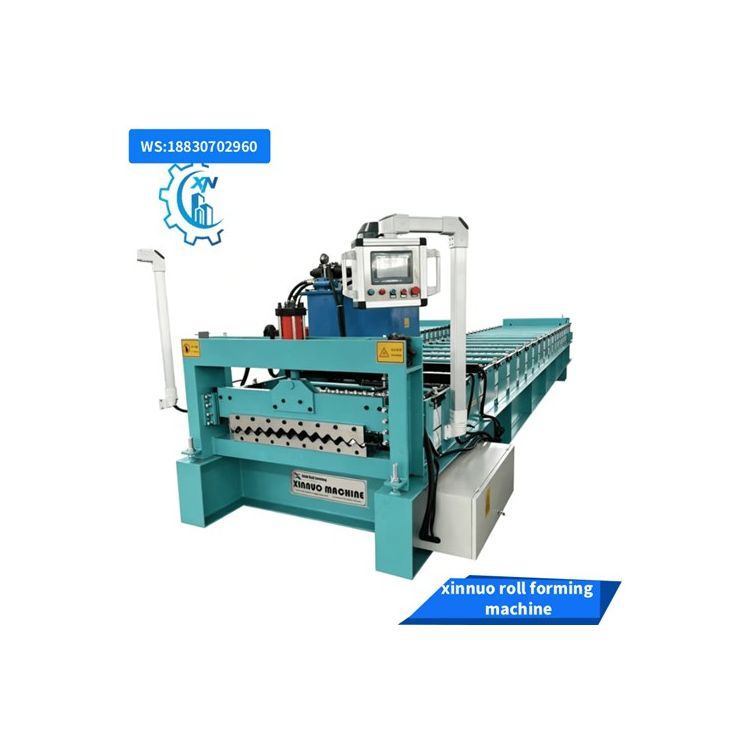
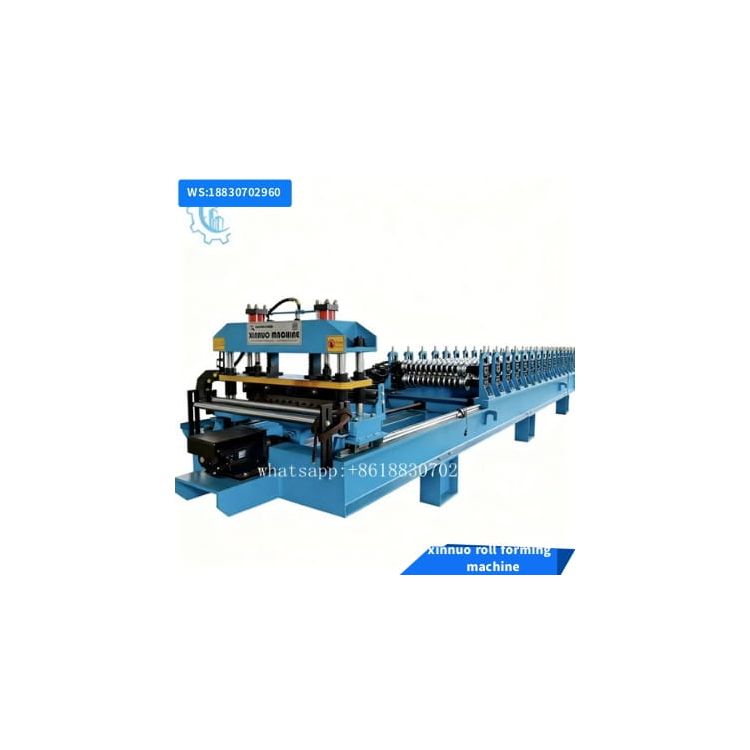
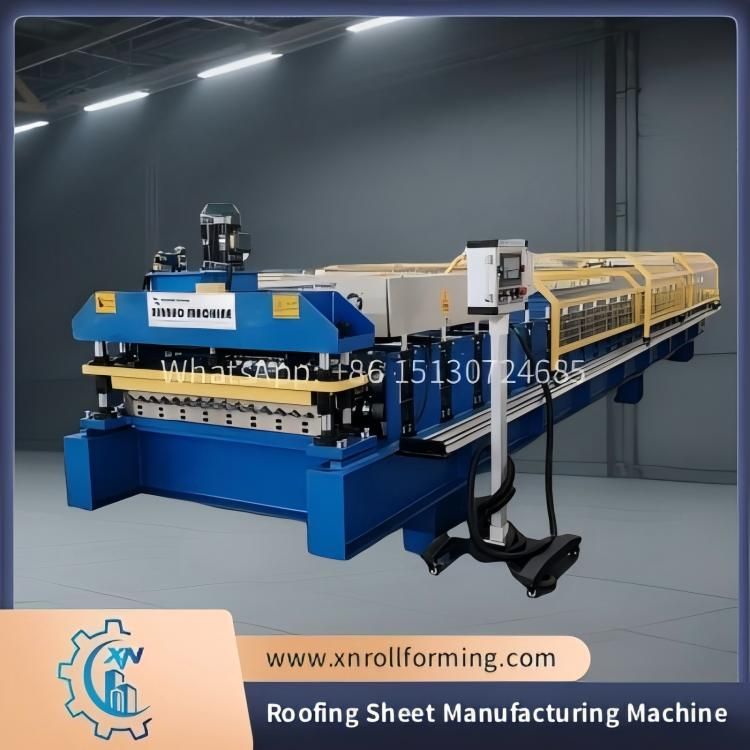
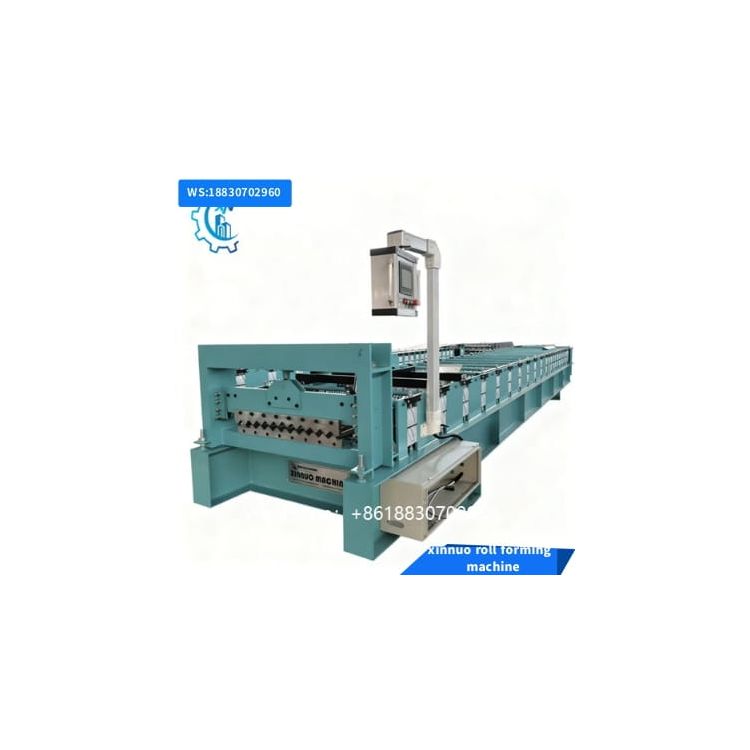
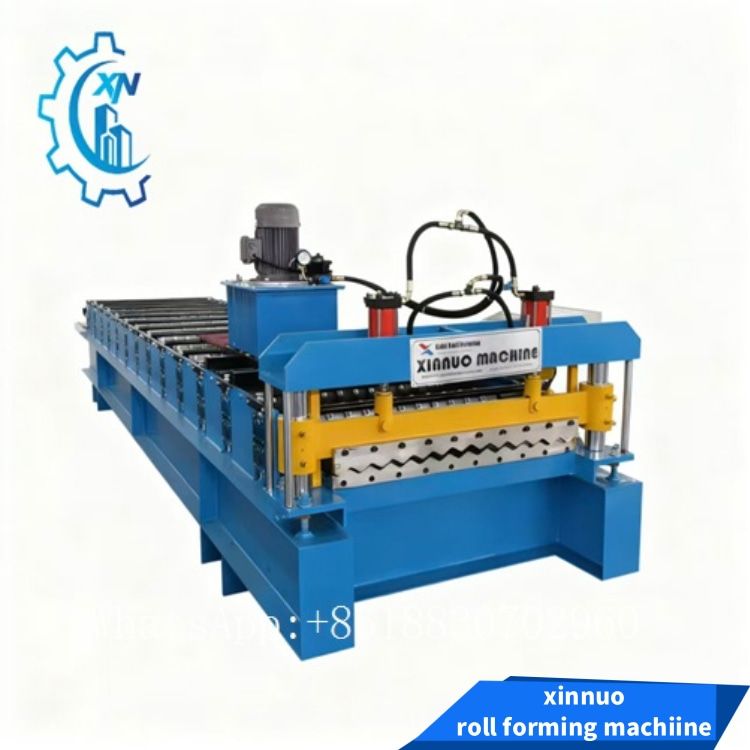
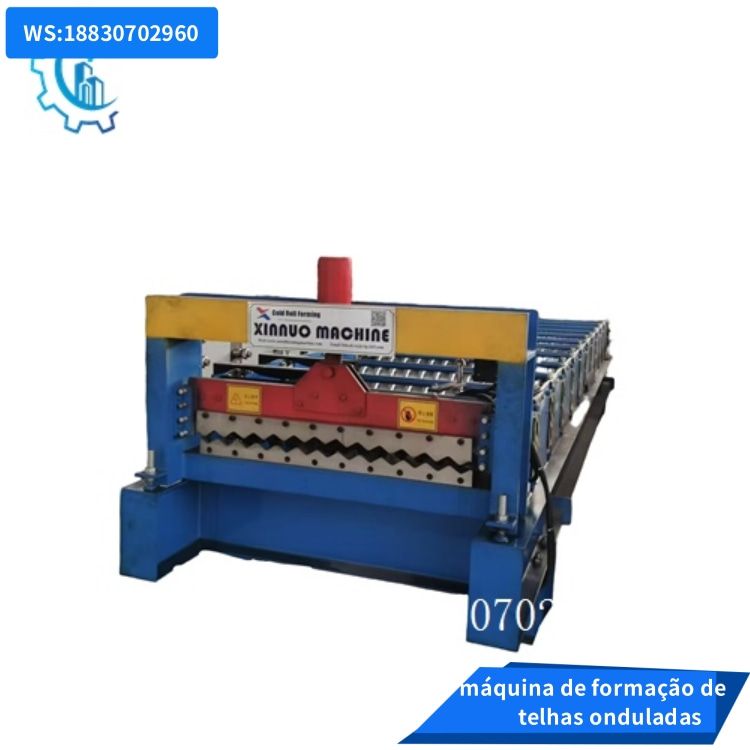
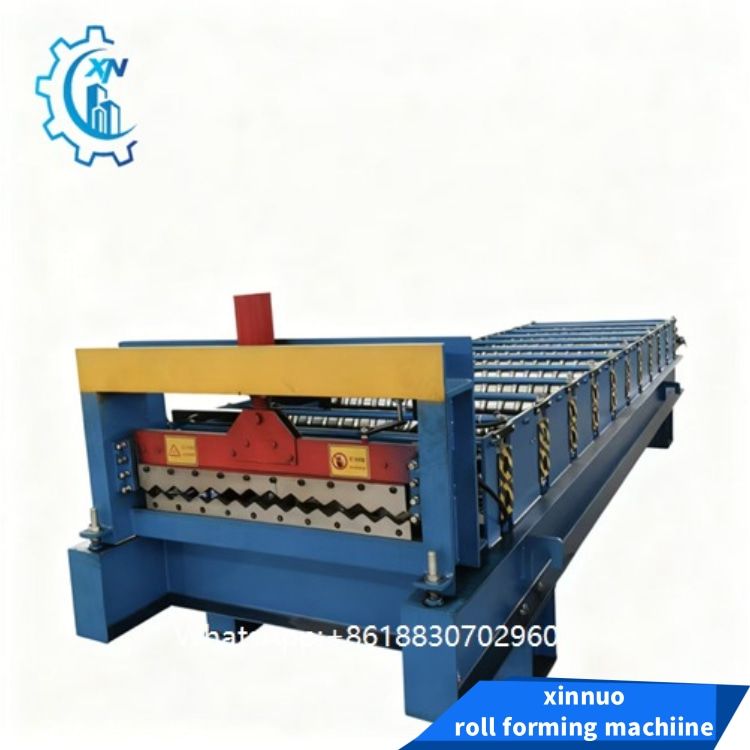
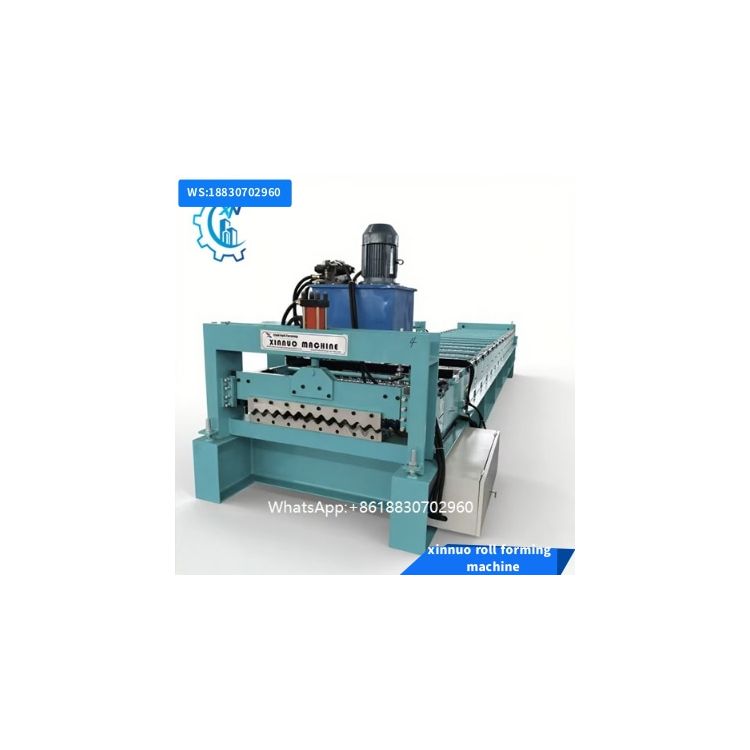
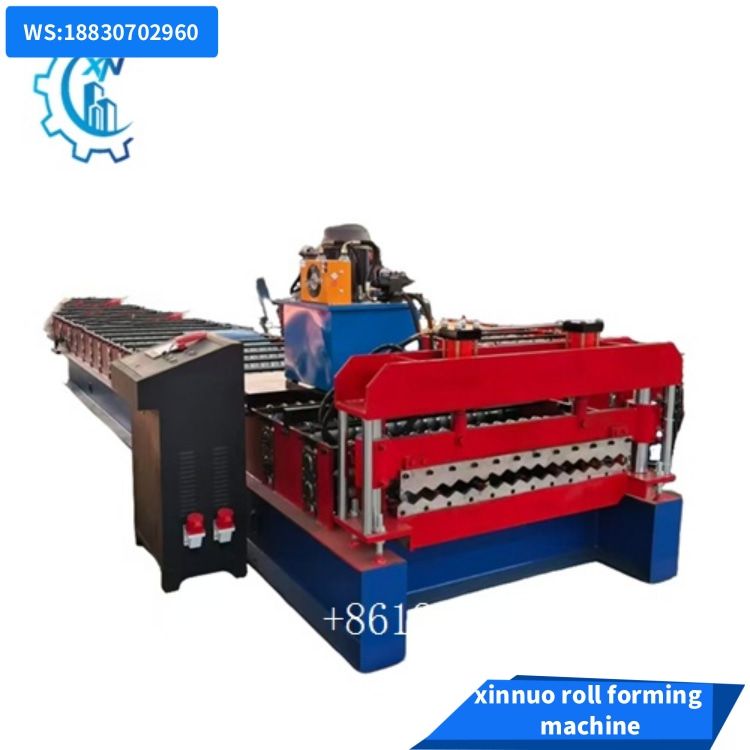
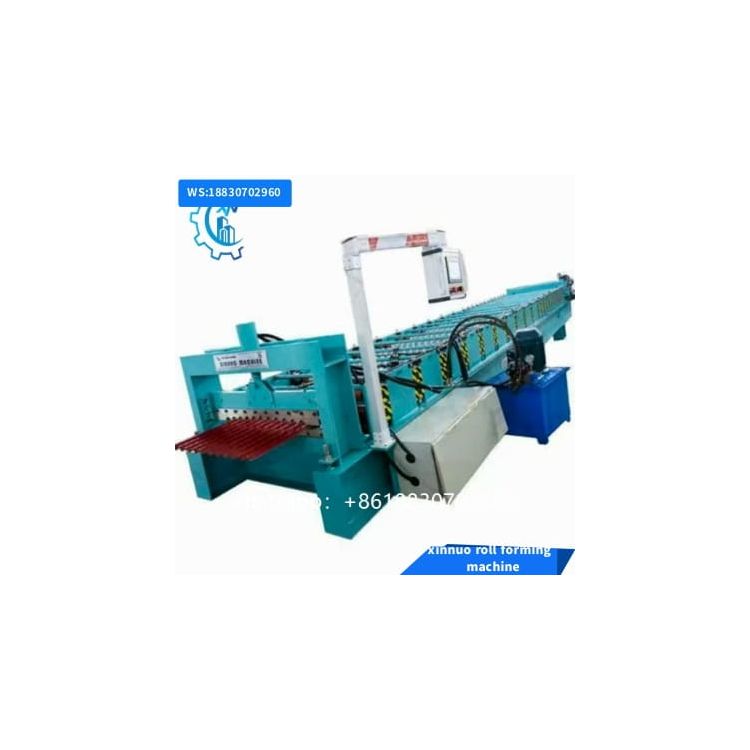
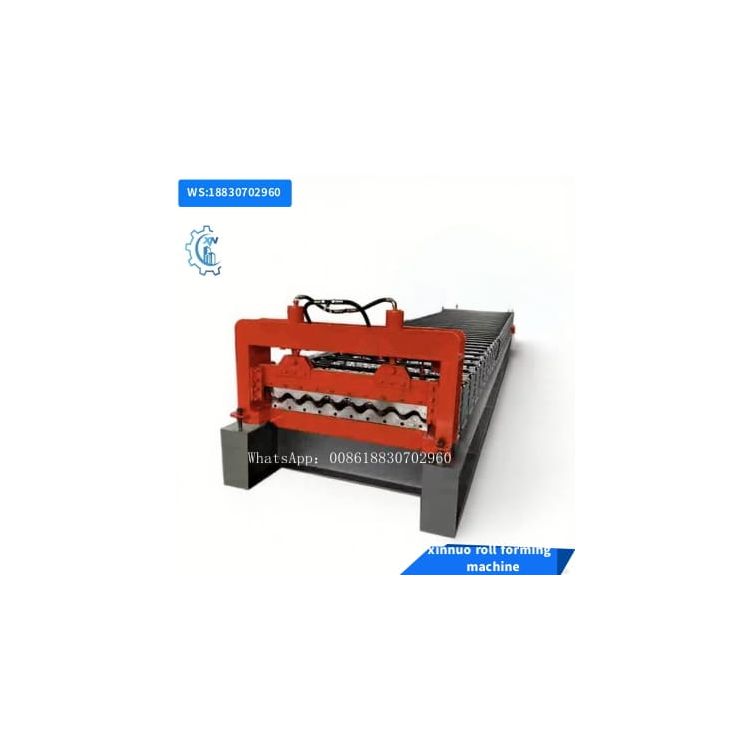
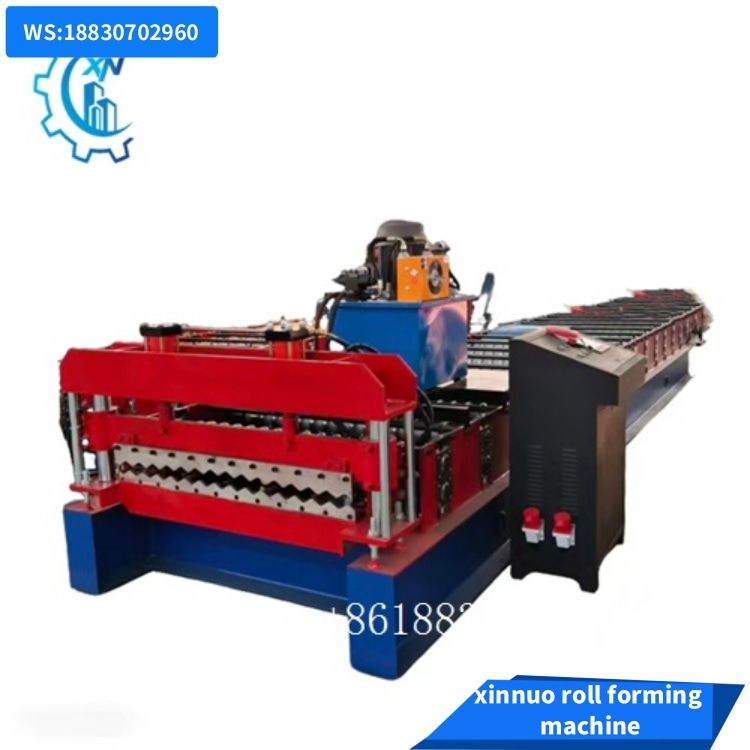
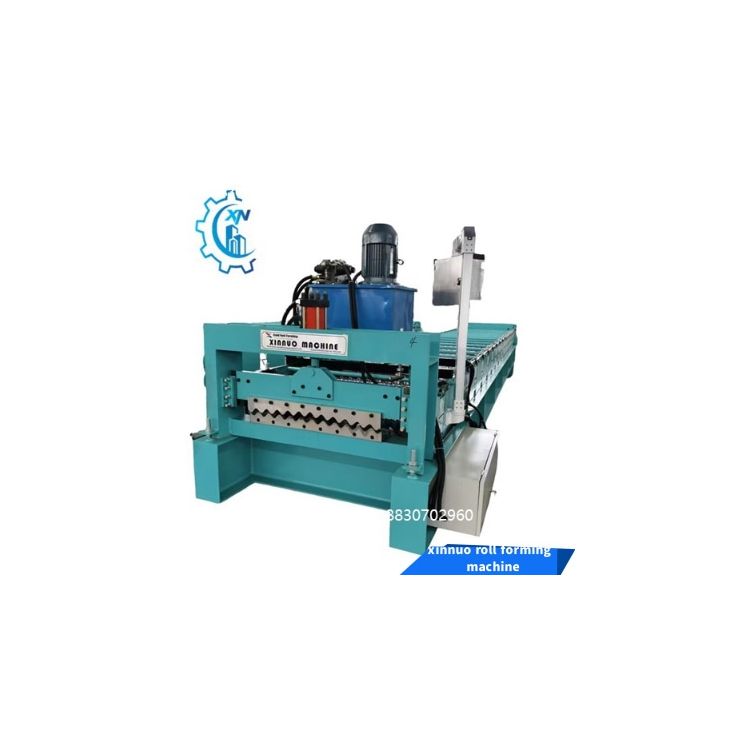
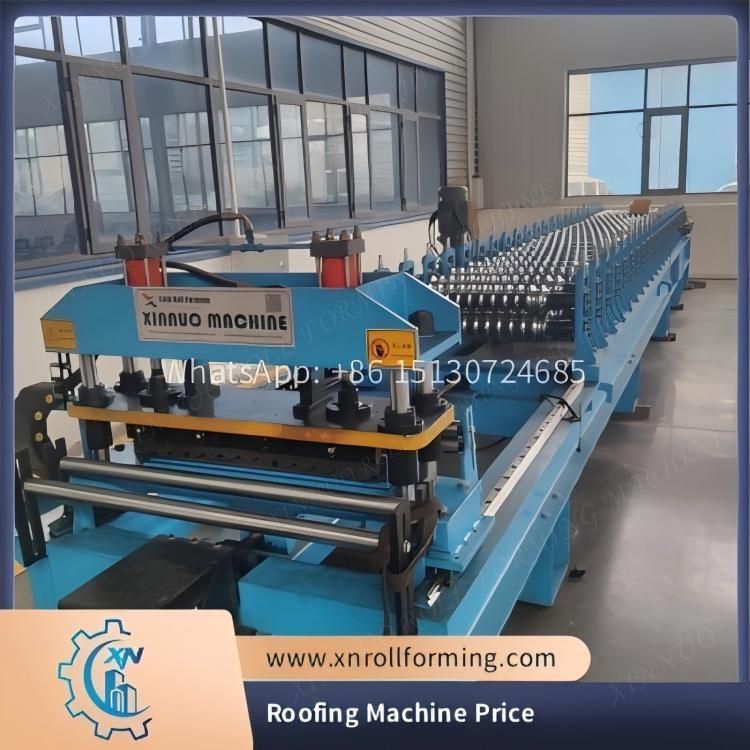
In the competitive roofing industry, manufacturers and contractors are constantly seeking ways to reduce costs while improving efficiency and product quality. One of the most significant investments in this field is the Roofing Machine, a piece of equipment designed to produce high-quality sheets for residential, commercial, and industrial roofing projects. While many buyers focus primarily on the price of the roofing machine, it is essential to understand that the true value lies in a balance between cost, performance, and long-term benefits.
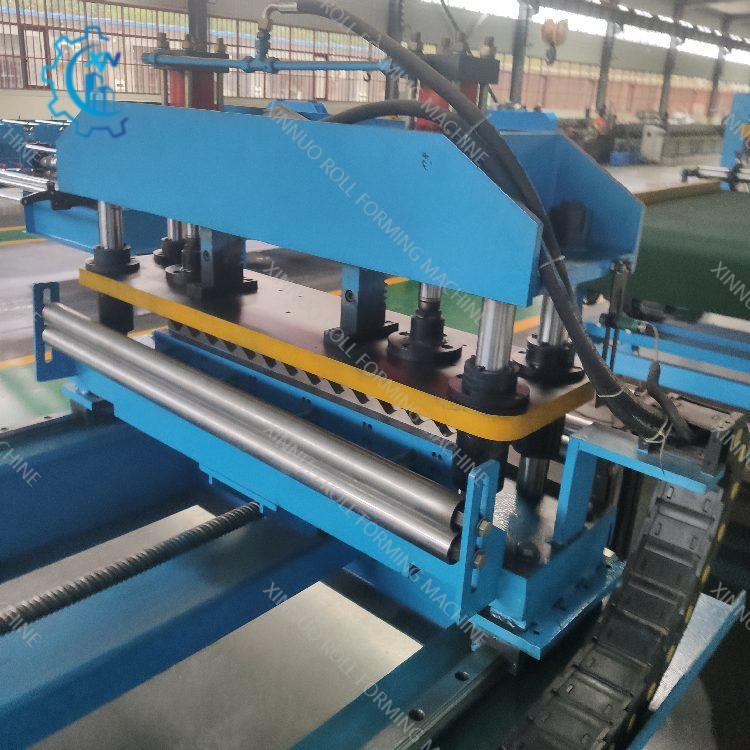
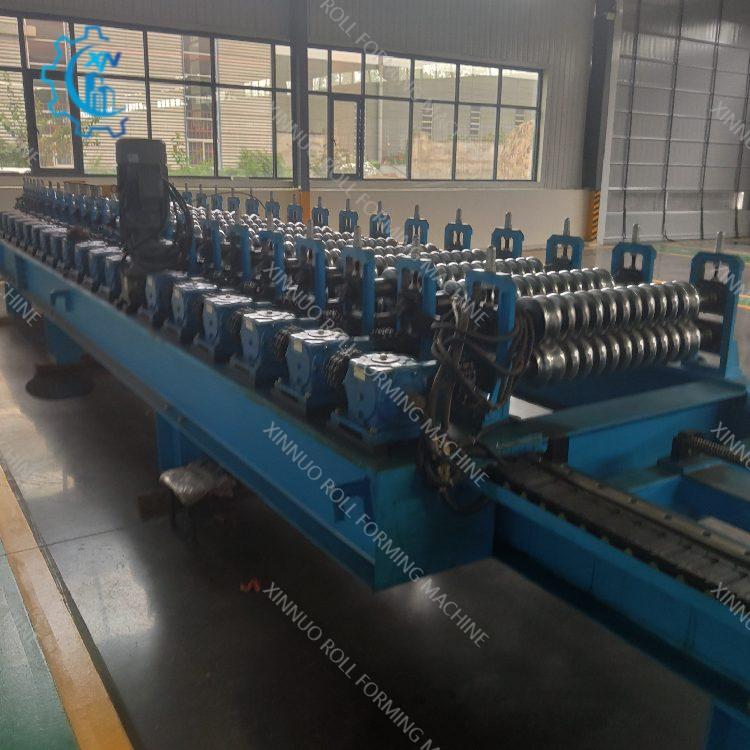
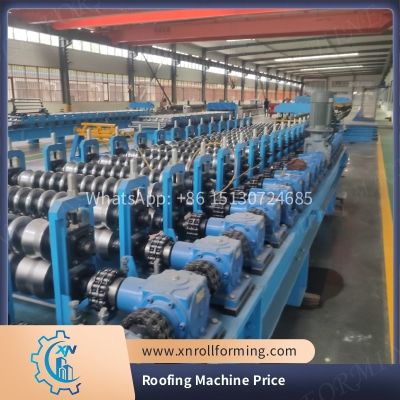
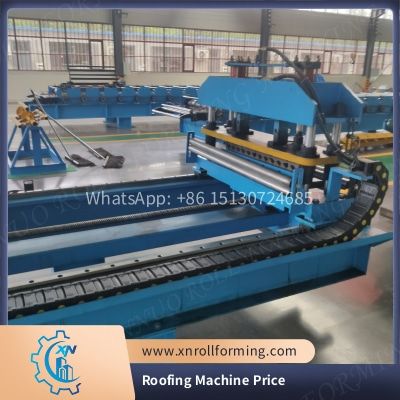
The price of a roofing machine is not fixed; it depends on a variety of specifications and design features:
Machine Configuration – Single-layer, double-layer, or even three-layer machines differ in complexity and cost. Multi-layer systems offer greater flexibility but typically come at a higher price point.
Automation Level – Machines with PLC controls, touch screen interfaces, hydraulic cutting, and automated stacking increase upfront investment but significantly lower operating costs.
Material Range – The ability to process galvanized sheets, color-coated coils, or aluminum expands application potential, adding to the value.
Production Capacity – Faster machines with speeds of 10–20 m/min or more allow for larger-scale operations, improving overall profitability.
Durability and Build Quality – Heavy-duty frames, precision rollers made from 45# steel, and robust motors impact both price and service life.
A lower purchase price may seem attractive at first glance, but it often comes with trade-offs such as higher maintenance, shorter lifespan, or inconsistent product quality. On the other hand, a slightly higher-priced Roofing Machine designed with advanced technology ensures consistent sheet profiles, reduced material waste, and lower energy consumption. This translates into greater efficiency and a faster return on investment (ROI).
Roofing sheets manufactured by these machines have diverse applications:
Residential Housing – Durable, aesthetic roofing panels for homes.
Commercial Buildings – Shopping malls, office complexes, and showrooms.
Industrial Warehouses – Strong panels that withstand heavy use.
Infrastructure Projects – Schools, airports, and public facilities.
This wide demand guarantees that an investment in a roofing machine will pay off through a steady stream of projects.
When evaluating the Roofing Machine Price, the focus should be on long-term returns rather than short-term savings. Machines with advanced features may cost more initially, but they:
Reduce labor requirements through automation.
Minimize production errors and rework.
Increase production speed and volume.
Deliver stronger, more reliable roofing sheets.
Ultimately, the cost-effectiveness of the machine is defined by how quickly it helps manufacturers recover the investment while building a stronger reputation in the market.
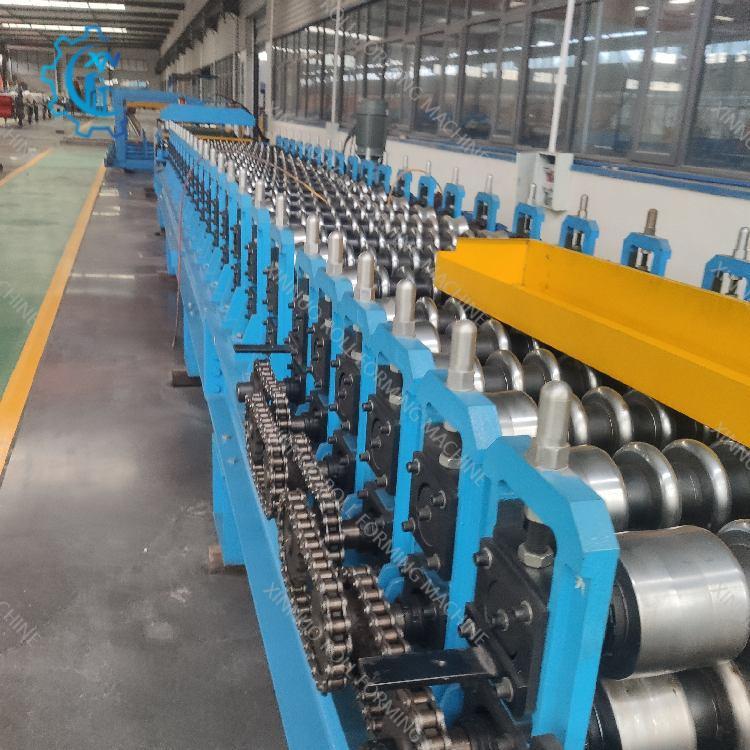
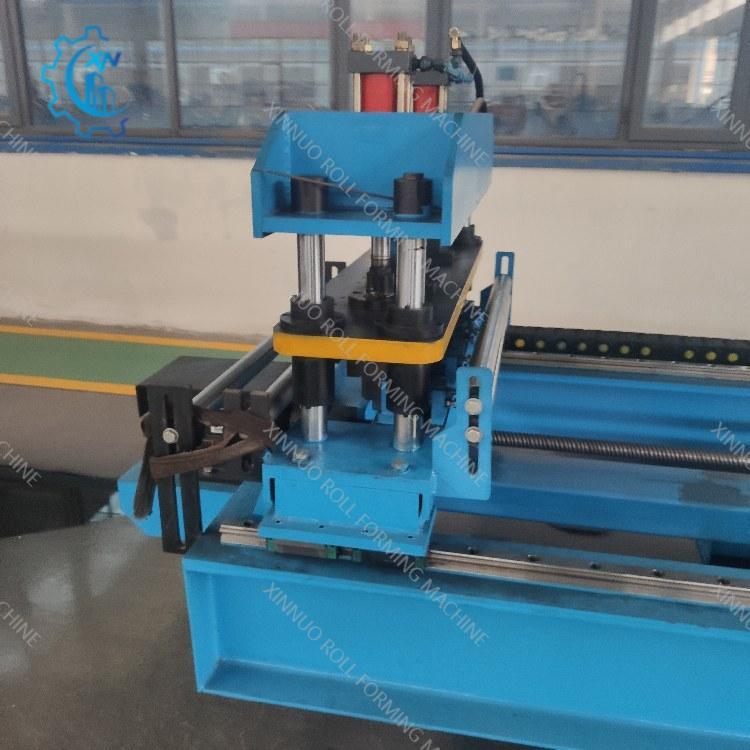
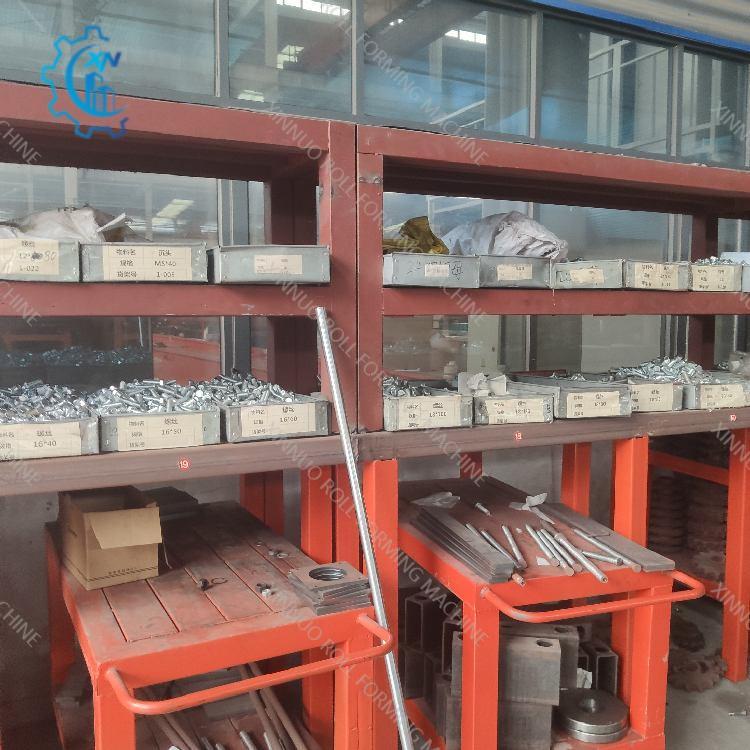
The Roofing Machine Price reflects not only the materials and technology used in its construction but also the value it delivers over years of continuous operation. For businesses aiming to stay ahead in a competitive roofing market, investing in a reliable, high-performance roofing machine ensures steady growth, customer satisfaction, and long-term profitability. In this sense, the real question is not how much the machine costs today, but how much it can earn for your business tomorrow.
At XINNUO, we are committed to delivering high-performance metal roll forming machines tailored for global industrial needs. Our equipment offers reliable and flexible production capabilities to meet the demands of modern construction and manufacturing industries.


 8618830702960